

In the evolving digital landscape of 2026, the pursuit of visibility remains central to online success. While search engine algorithms constantly adapt, the fundamental value of backlinks endures. Specifically, acquiring free relevant backlinks continues to be a cornerstone of robust search engine optimization (SEO) strategies for webmasters across the United States. These aren’t just any links; they are endorsements from reputable sources within or adjacent to your niche, signaling authority and trustworthiness to search engines. The challenge, of course, lies in earning them without opening your wallet, relying instead on strategic effort and valuable content.
Understanding the Enduring Value of Free Relevant Backlinks
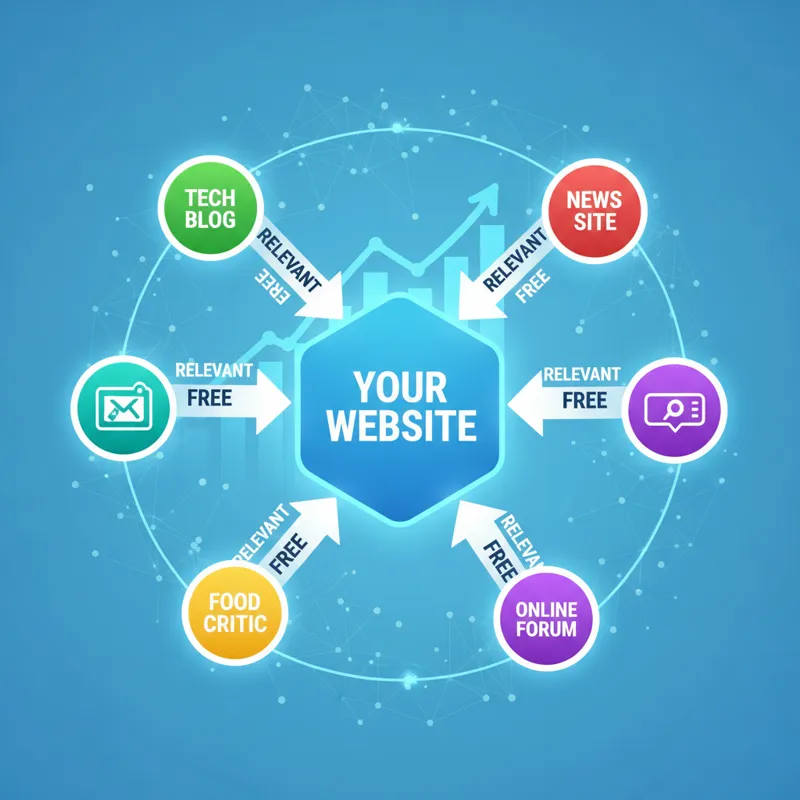
Backlinks function as digital votes of confidence. When another website links to your content, it’s essentially telling its audience and search engines that your page offers something of value. For years, the quantity of backlinks was often prioritized. However, as search engines have matured, the emphasis has squarely shifted to quality and relevance. A link from a highly authoritative site within your industry carries significantly more weight than dozens of links from unrelated or low-quality domains.
The “free” aspect is particularly appealing because it means you’re leveraging intrinsic value rather than paid placements, which search engines typically devalue or penalize if they violate guidelines. Building a profile of good backlinks for SEO involves understanding that relevance isn’t just about topical alignment; it’s also about audience. Does the linking site serve an audience that would genuinely benefit from your content? If so, that link isn’t just a technical signal; it’s a pathway for qualified referral traffic, driving both visibility and potential conversions.
Why Relevance Trumps Quantity (and Why it’s Free)
Think of relevance as a quality filter. If you run a website about organic gardening, a link from a national gardening association’s website is incredibly relevant. A link from a local pizza shop’s site, while potentially from a high-authority domain, isn’t relevant to gardening content, making its SEO impact minimal, if not questionable. Search engines employ sophisticated algorithms to discern these patterns, distinguishing between genuinely earned endorsements and manipulative link schemes.
The “free” component stems from the fact that truly relevant links are earned through merit. You create exceptional content, offer unique insights, or provide valuable resources that other sites naturally want to reference. This organic process aligns perfectly with what search engines aim to reward: websites that provide the best answers and experiences to users. By focusing on creating value, you set the stage for others to link to you without prompting for payment.
Core Strategies for Acquiring Free Relevant Backlinks in 2026

A collage of various content marketing elements like a blog post, an infographic, a video screenshot, and a social media share icon, all interconnected.
Building a robust backlink profile takes consistent effort and a multi-faceted approach. Here are some of the most effective, ethical strategies for securing free relevant backlinks:
1. Create Exceptional, Link-Worthy Content (Linkable Assets)
This is the foundation of almost every successful free backlink strategy. If your content isn’t remarkable, nobody will naturally link to it. Focus on creating “linkable assets” — pieces of content that are inherently valuable and easily shareable. These can include:
-
- In-depth Guides and Tutorials: Comprehensive resources that explain complex topics thoroughly.
- Original Research and Data: Surveys, studies, or compilations of unique data that other sites will want to cite. For instance, a government report from the U. S. government often serves as a highly authoritative source for data points.
- Infographics and Visualizations: Data presented in an easy-to-digest, visually appealing format.
- Tools and Calculators: Interactive resources that solve a specific problem for users.
- Case Studies: Real-world examples demonstrating success or proving a point, especially useful in B2B niches.
Once you have stellar content, promoting it is key. Share it across social media, email lists, and relevant communities. The goal is to get it in front of people who might find it valuable enough to link to.
2. Guest Blogging (Strategic & Value-Driven)
Guest blogging remains a powerful tactic, but its effectiveness in 2026 hinges on a quality-first approach. It’s not about mass-producing low-quality articles for any site that will accept them. Instead, focus on:
-
- High-Authority, Relevant Sites: Target websites that have a strong domain authority and cater to an audience interested in your niche.
- Unique, Valuable Content: Offer a fresh perspective or in-depth insights that genuinely benefit the host site’s readers. This isn’t just repurposing your own content; it’s crafting something specific for their audience.
- Natural Placement of Links: Your backlink should be contextually relevant within the body of the article, pointing to a specific, valuable resource on your site (e.g., an in-depth guide, research piece). Avoid generic anchor text like “click here.”
When done right, guest blogging provides high-quality backlinks and can drive referral traffic. It’s a prime example of how to acquire white hat link building effectively.
3. Broken Link Building
This strategy involves finding broken links on other websites and suggesting your content as a replacement. It’s a win-win: the website owner fixes a broken link (improving their user experience and SEO), and you get a free relevant backlink.
-
- Find Relevant Websites: Use tools to identify authoritative sites in your niche.
- Check for Broken Links: Use browser extensions or specialized tools to scan these sites for 404 errors.
- Identify Content Gaps: When you find a broken link, check what content it used to point to.
- Create or Suggest Your Content: If you have an existing piece of content that serves the same purpose (or can create one), reach out to the webmaster. Politely inform them about the broken link and suggest your relevant content as a suitable, updated replacement.
4. Resource Page Link Building
Many websites maintain “resource pages” or “curated lists” of helpful links for their audience. These are excellent targets for acquiring free relevant backlinks.
-
- Identify Resource Pages: Use advanced search operators (e.g., “keyword” inurl:links, “keyword” inurl:resources, “keyword” “helpful sites”) to find these pages in your niche.
- Evaluate Relevance: Ensure the resource page genuinely aligns with your content.
- Propose Your Resource: If you have a high-quality, comprehensive guide or tool that would add value to their list, send a polite email to the webmaster. Explain why your resource is a good fit and how it would benefit their audience.
5. Unlinked Mentions Reclamation
Sometimes, other websites or publications mention your brand, product, or a specific piece of your content without actually linking to your site. These are “unlinked mentions,” and they represent a fantastic opportunity for free relevant backlinks.
-
- Monitor Mentions: Use tools like Google Alerts, Brand24, or Ahrefs to track mentions of your brand name, key personnel, or specific content titles across the web.
- Verify and Qualify: Check if the mention is truly relevant and positive, and if a link would naturally enhance the user experience for their readers.
- Polite Outreach: Contact the author or webmaster, express your gratitude for the mention, and politely suggest adding a link to your site for their readers’ convenience. Frame it as a way to provide more context or value to their audience.
6. Local SEO and Business Directories
For businesses with a physical presence or a strong local service area, local directories and business listings offer essential free relevant backlinks, especially for improving local search rankings.
-
- Google Business Profile: This is paramount. Ensure your profile is fully optimized, accurate, and up-to-date.
- Niche-Specific Directories: Look for directories specific to your industry (e.g., legal directories for law firms, medical directories for clinics).
- General Business Directories: Platforms like Yelp, Yellow Pages, and local chambers of commerce provide valuable citations and links. Consistency in your Name, Address, Phone (NAP) across all listings is crucial.
These links might not always carry enormous link juice individually, but collectively, they build trust and local authority.
7. Help a Reporter Out (HARO) and SourceBottle
HARO (Help a Reporter Out) and similar services like SourceBottle connect journalists with expert sources for their stories. If you can provide valuable insights, you can earn high-authority backlinks from major news outlets and industry publications.
-
- Sign Up as a Source: Register for alerts in your area of expertise.
- Monitor Queries: Daily emails will list specific requests from journalists.
- Provide Timely, Expert Responses: Craft concise, insightful pitches that directly answer the journalist’s query. Include your credentials and be prepared to offer further information.
Landing a mention on a prominent news site can result in incredibly powerful free relevant backlinks, driving significant authority and referral traffic.
8. Testimonials and Reviews
If you use a product or service that you genuinely appreciate, consider offering a testimonial or writing a detailed review for the provider. Many companies feature customer testimonials on their websites, often with a link back to your site (especially if you’re a business customer).
-
- Be a Genuine User: Only offer testimonials for products/services you actually use and value.
- Provide Specific Feedback: Explain *how* the product/service has benefited you or your business.
- Ask for a Link: When offering your testimonial, politely ask if they would be willing to link back to your website alongside your testimonial.
This is a low-effort way to get free relevant backlinks from sites that are likely in a related industry.
9. Educational Discounts and Scholarship Programs
If your business can offer a scholarship or an educational discount, you can attract high-authority backlinks from .edu domains. These are some of the most powerful links available.
-
- Establish a Scholarship: Define clear criteria and a simple application process.
- Offer an Educational Discount: Provide a discount on your products or services specifically for students or faculty.
- Reach Out to Universities: Contact financial aid offices or relevant departments at colleges and universities. Many have pages dedicated to listing external scholarships or student benefits, and they will often link to your program.
This strategy requires some investment (the scholarship amount or the discount), but the backlinks earned are typically of extremely high quality and relevance.
What Most People Get Wrong About Free Relevant Backlinks
A diagram showing two paths, one labeled “Slow & Quality” leading to a thriving website, and another labeled “Fast & Spammy” leading to a struggling, penalized website.
While the concept of how to get backlinks seems straightforward, many webmasters stumble by chasing the wrong metrics or employing outdated tactics. Here are a few common misconceptions and pitfalls:
-
- Focusing Solely on Domain Authority (DA) or Domain Rating (DR): While these metrics are indicators of a site’s overall strength, they don’t tell the whole story. A link from a low-DA site that is hyper-relevant to your niche and drives qualified traffic can be more valuable than a link from a high-DA site that has no contextual relevance to your content. Always prioritize relevance and traffic potential over a singular, abstract authority score.
- Ignoring the “Free” Aspect: Some strategies that appear “free” often have hidden costs or fall into grey hat territory. For instance, engaging in reciprocal link schemes (“I’ll link to you if you link to me”) can be easily detected and devalued by search engines. The best free relevant backlinks come from genuine editorial discretion.
- Neglecting Content Quality: Many people expect backlinks just for existing. Without truly exceptional, unique content that solves a problem or offers fresh insight, even the best outreach efforts will fall flat. Your content is your primary magnet.
- Spamming Outreach: Sending generic, templated outreach emails to hundreds of websites is ineffective and often counterproductive. Personalize every email, clearly state why you’re reaching out, and demonstrate that you understand their content and audience.
- Forgetting About Internal Links: While not external backlinks, strong internal linking helps distribute authority throughout your site, making your content more discoverable and improving user experience. It’s free and entirely within your control, yet often overlooked.
The Long-Term Impact: Beyond Just Ranking
The benefits of acquiring free relevant backlinks extend far beyond immediate search engine rankings. A strong backlink profile contributes to:
-
- Increased Organic Traffic: Higher rankings lead to more visibility and clicks from search results.
- Referral Traffic: A high-quality link from a relevant site can send engaged users directly to your website.
- Enhanced Brand Authority and Trust: Being cited by reputable sources builds your brand’s credibility within your industry. Forbes.com, for example, is a widely recognized authority in business and finance, and a mention there inherently boosts perception.
- Faster Content Indexing: Search engine crawlers discover new content more quickly when it’s linked from established, frequently crawled sites.
- Networking Opportunities: Outreach efforts can lead to valuable professional connections and collaborations.
Think of it as building an asset over time. Each high-quality, relevant link is a building block in your website’s long-term authority and sustainability. This isn’t a sprint; it’s a marathon where consistent, ethical effort yields compounding returns.
Measuring the Success of Your Free Backlink Efforts
To ensure your efforts are paying off, you need to track your progress effectively. Here’s what to look for:
-
- Referring Domains: This is a crucial metric, indicating the number of unique websites linking to you. A diverse profile of referring domains is healthier than many links from a few sites.
- New Backlinks Acquired: Keep a count of the links you successfully secure over time.
- Domain Authority/Rating Growth: While not the sole metric, consistent growth in these scores (from tools like Ahrefs, Moz) can indicate improved overall site authority.
- Organic Traffic Increases: Ultimately, the goal is more visitors. Monitor your organic search traffic via Google Analytics or similar tools.
- Keyword Ranking Improvements: Track how your target keywords are performing in search results. Improved rankings often correlate with successful backlink acquisition. You might also want to understand how to check backlinks of a website to keep an eye on competitors.
Remember that the impact of backlinks isn’t always immediate. It can take weeks or even months for new links to fully influence your rankings and traffic, so patience and consistent tracking are essential.
Frequently Asked Questions About Free Relevant Backlinks
Q: How long does it take to see results from free relevant backlinks?
A: The timeframe varies significantly based on your industry, the authority of the linking sites, and the overall competitiveness of your keywords. You might see minor improvements within a few weeks, but more substantial shifts in rankings and traffic typically take 3-6 months of consistent, high-quality link building. It’s a long-term strategy, not a quick fix.
Q: Are all “free” backlinks safe?
A: Not necessarily. While genuine earned links are always safe, some methods that appear free can be risky. For example, participating in link farms, private blog networks (PBNs), or excessive forum spamming might seem free but can lead to manual penalties from Google. Always prioritize relevance, natural placement, and editorial discretion from the linking site.
Q: Can I get free relevant backlinks from social media?
A: Social media shares (likes, retweets, shares) are not direct backlinks in the SEO sense. They don’t pass link juice or directly influence rankings. However, social media can significantly amplify your content’s reach, making it more likely that influential people and relevant websites will discover it and link to it organically. Consider strategies like effectively promoting your content on platforms like YouTube to encourage natural linking, rather than looking for a YouTube backlink generator.
Q: How many free relevant backlinks do I need?
A: There’s no magic number. The ideal quantity depends heavily on your niche, the authority of your existing backlink profile, and the competitiveness of your target keywords. Focus on acquiring a steady stream of high-quality, relevant links rather than chasing a specific quantity. Quality over quantity is always the guiding principle. Analyzing your backlink profile and that of your competitors can give you a benchmark.
Q: Should I worry about my competitors’ backlink profiles?
A: Absolutely. Analyzing your competitors’ backlink profiles can uncover valuable opportunities. Tools allow you to see where your competitors are getting their links. This can reveal potential guest post targets, resource pages, or unlinked mentions you might have missed. It’s a strategic way to identify where to focus your own outreach efforts for free relevant backlinks.
Conclusion
In 2026, the pursuit of free relevant backlinks remains a critical, non-negotiable component of any successful SEO strategy. It demands patience, creativity, and a steadfast commitment to producing genuinely valuable content. By focusing on the strategies outlined—from creating stellar linkable assets to engaging in strategic outreach like guest blogging, broken link building, and HARO—webmasters can systematically build an authoritative and trustworthy backlink profile without direct financial investment. The effort you put into earning these endorsements will not only bolster your search rankings but also enhance your brand’s credibility, drive qualified traffic, and establish your site as a go-to resource in your industry. It’s about building a sustainable foundation for long-term digital success, one valuable link at a time.


