If you’re looking for effective advanced link building techniques to enhance your online presence, finding a quality link building outreach service can feel like navigating a complex landscape. In 2026, with search engine algorithms continually evolving, the necessity of high-authority, relevant backlinks remains a cornerstone of search engine optimization (SEO). Yet, the tactics for acquiring those links have matured significantly. This isn’t just about sending generic emails; it’s about strategic relationship building, content promotion, and demonstrating genuine value to secure placements that genuinely move the needle for your business.
How Link Building Outreach Can Boost Your SEO Strategy

A link building outreach service focuses on earning authoritative backlinks by building genuine relationships with niche-relevant bloggers, publishers, and webmasters. Unlike automated or low-quality link schemes, this approach focuses on securing editorial links from reputable, topically relevant sources. In essence, it’s about convincing other trusted websites to reference your content or brand within their own, thereby passing authority and relevance signals to your site.
In 2026, the ‘why’ behind this service is more critical than ever. Google and other search engines have become exceptionally sophisticated at discerning manipulative link practices. They prioritize genuine authority, relevance, and natural link profiles. A well-executed outreach strategy isn’t just about getting a link; it’s about earning a credible vote of confidence from an authoritative site, which signals to search engines that your content is valuable and trustworthy. This directly impacts your organic search rankings, drives referral traffic, and builds brand authority within your industry.
The Core Mechanics: How Quality Outreach Works
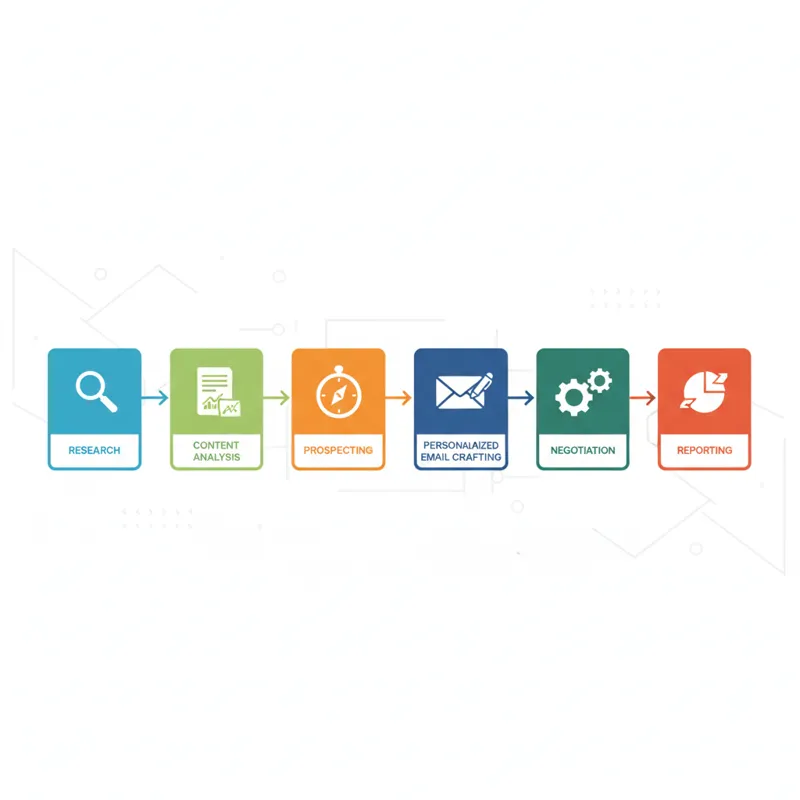
An infographic-style image illustrating the step-by-step process of professional link building outreach: research, content analysis, prospecting, personalized email crafting, negotiation, and reporting. Each step is clearly delineated with simple icons.
In simple terms, a link building outreach service helps you earn high-authority backlinks by building real relationships with niche-relevant bloggers and publishers. It’s a multi-faceted process, often broken down into several distinct phases:
1. Strategic Planning and Research
Before any outreach begins, a solid service invests significant time in understanding your business, target audience, and existing content. They’ll analyze your current backlink profile to identify gaps and opportunities. This involves competitor analysis to see who links to your rivals and where your site might be falling short. The goal here is to develop a bespoke strategy that aligns with your business objectives and content assets.
2. Content Audit and Development
You can’t effectively outreach without something valuable to link to. A quality service will assess your existing content for linkable assets – articles, guides, data studies, tools, or infographics that genuinely offer value. If suitable assets are lacking, they might recommend and even assist in creating new, highly shareable, and link-worthy content pieces. This could involve anything from comprehensive industry reports to unique data visualizations.
3. Prospecting and Vetting
This phase is labor-intensive and critical. The service identifies thousands of potential websites, blogs, and online publications that are relevant to your niche. They use advanced tools and manual review to filter these down to a highly targeted list of prospects. Vetting goes beyond simple relevance; it involves analyzing domain authority (DA), traffic, editorial quality, and the likelihood of securing a natural, contextual link. They look for sites that genuinely align with your brand values and audience.
4. Personalized Outreach and Relationship Building
This is where the ‘outreach’ truly happens. Gone are the days of mass, templated emails. Professional services craft highly personalized pitches for each prospect. These emails demonstrate a clear understanding of the prospect’s content, highlight specific reasons why linking to your content would benefit their readers, and propose a mutually beneficial exchange (often through valuable content contribution or resource inclusion). This step is less about “getting a link” and more about initiating a professional relationship.
5. Negotiation and Follow-Up
Not every initial email gets a response, and not every response leads to a link. This involves managing ongoing email threads, answering any questions from the publisher, and finalizing the details of your link. They ensure that any secured links are editorially sound, naturally placed within relevant content, and adhere to ethical guidelines.
6. Link Monitoring and Reporting
Once a link is live, a good service monitors it to ensure it remains active and correct. Comprehensive reporting is also standard, detailing the secured links, their metrics (DA, relevance), and the impact on your site’s SEO performance over time. Transparency in reporting is a hallmark of a trustworthy provider.
Beyond the Backlink: The Value Proposition of a Professional Service
A Venn diagram showing the overlapping benefits of professional link building outreach: “Improved SEO Rankings,” “Increased Brand Visibility,” and “Referral Traffic & Authority.” The center overlap is labeled “Sustainable Business Growth.”
While the primary goal of a best link building outreach service is to acquire backlinks, its true value extends far beyond a simple link count. For US businesses, investing in quality outreach yields multiple strategic benefits:
-
- Enhanced Search Engine Rankings: This is the most direct benefit. High-quality, relevant links are a strong ranking signal for Google. As your link profile strengthens, your website’s visibility for target keywords improves, leading to more organic traffic.
- Increased Brand Authority and Trust: When reputable sites link to your content, it acts as a third-party endorsement. This not only signals trust to search engines but also builds your brand’s authority in the eyes of potential customers and industry peers. You become a recognized voice.
- Referral Traffic: A link from a popular, relevant blog or publication can send direct referral traffic to your site. These visitors are often highly qualified, as they’ve come from a source they trust and were interested enough in the topic to click through.
- Faster Indexing and Crawling: New pages with backlinks tend to be discovered and indexed more quickly by search engines. This is especially beneficial for new businesses or those frequently publishing fresh content.
- Competitive Advantage: In crowded markets, a superior link profile can be a significant differentiator. While your competitors might be focused on less effective competitive backlinking strategies, a strategic outreach service keeps you ahead.
- Time and Resource Savings: Link building is incredibly time-consuming, requiring specialized skills in research, communication, and content strategy. Outsourcing this to experts frees up your internal team to focus on core business operations.
- Risk Mitigation: Ethical link building outreach avoids the penalties associated with manipulative or spammy link practices. A professional service understands and adheres to Google’s Webmaster Guidelines, ensuring your link profile remains clean and resilient against algorithm updates.
What Most People Get Wrong About Link Building Outreach
Even in 2026, with all the information available, several common misconceptions persist regarding backlink campaign and outreach services. Understanding these pitfalls can help you set realistic expectations and make better decisions:
-
- It’s a “Quick Fix”: Quality link building is a marathon, not a sprint. Earning editorial links from authoritative sites takes time and consistent effort. Services promising instant results or a specific number of links in a very short timeframe often resort to low-quality, risky tactics that can harm your SEO in the long run.
- “More Links = Better Rankings”: Quantity without quality is detrimental. One relevant, authoritative link is often worth hundreds of low-quality, spammy links. The focus should always be on acquiring links from credible sources that genuinely relate to your industry and content. Google’s algorithms are excellent at distinguishing good links from bad.
- “All Link Building Services Are the Same”: This couldn’t be further from the truth. There’s a vast spectrum of quality and ethical standards. Some services rely on black-hat techniques (e.g., private blog networks, link farms, manipulative reciprocal linking) that can lead to severe penalties. Always vet a service thoroughly for their methodologies and transparency.
- “It’s Just About Sending Emails”: Outreach is far more complex than mass emailing. It involves deep research, personalized communication, understanding editorial calendars, content strategy, and often, genuine relationship building. The effectiveness lies in the quality of the interactions, not just the volume of emails sent.
- “I Can Just Buy Links Directly”: While some sites may offer paid placements, directly buying links at scale, especially those designed to manipulate search rankings, is a direct violation of Google’s guidelines. A legitimate service focuses on earning links through value, not outright purchase that passes PageRank.
- Ignoring the Importance of Outbound Links SEO: Some believe that focusing solely on inbound links is enough. However, a healthy backlink profile also considers the quality of outbound links your site makes. Linking out to authoritative resources can also signal trust and relevance to search engines.
- Believing “Automated Outreach” Works: While tools can assist in finding prospects and managing campaigns, fully automated outreach lacks the personalization and human touch necessary to secure high-quality links. Real outreach is conversational and relies on genuine connection.
Key Considerations When Choosing a Link Building Outreach Service
Selecting the right link building outreach service is a strategic decision that can significantly impact your SEO success. Here’s what US businesses should consider in 2026:
1. Transparency and Reporting
A reputable service will be completely transparent about their methods and provide detailed, regular reports. They should clearly outline:
-
- Prospecting Process: How do they identify potential link targets? What criteria do they use for vetting?
- Outreach Methods: What kind of emails do they send? How personalized are they? Can you see examples?
- Link Acquisition: For each secured link, they should provide the URL, anchor text, domain authority, and any relevant context.
- Performance Metrics: How do they track the impact on your rankings, traffic, and overall SEO health?
Avoid services that are secretive about their tactics or only provide vague, high-level reports.
2. Ethical Practices and Google Compliance
This is non-negotiable. Ensure the service adheres strictly to Google’s Webmaster Guidelines. Ask direct questions about:
-
- Black-Hat vs. White-Hat: Do they use private blog networks (PBNs), link farms, or other manipulative tactics? The answer should be a firm “no.”
- Content Quality: Do they insist on linking to genuinely valuable, high-quality content?
- Relevance: Do they prioritize links from topically relevant sites over sheer domain authority?
A service that focuses on earning links through genuine value and relationships is a safer, more sustainable choice. You can find more details on Google’s official stance on link schemes on Google Search Central.
3. Industry Relevance and Specialization
Does the service have experience in your specific industry or niche? A generalist might not understand the nuances of your market, making their outreach less effective. A specialized service often has existing relationships or a deeper understanding of relevant publications and influencers in your field.
4. Communication and Client Support
How responsive and accessible is their team? You’ll want a dedicated account manager or a clear point of contact who understands your goals and can communicate effectively. Good communication fosters trust and ensures your campaigns stay on track.
5. Pricing Models and Value
Link building isn’t cheap, nor should it be. High-quality outreach is labor-intensive. Be wary of services that offer exceptionally low prices, as this often indicates shortcuts or low-quality practices. Common pricing models include:
-
- Per-Link: You pay a set amount for each successfully acquired link. This can be motivating but ensure the quality criteria are clearly defined.
- Retainer: You pay a monthly fee for ongoing outreach efforts. This allows for more flexibility and a focus on relationship building over time.
- Project-Based: For specific campaigns or content promotion efforts.
Focus on the value and ROI, not just the cost. A good link building manager will articulate this clearly.
6. Case Studies and Testimonials
Look for demonstrable results. While specific client names might be confidential, a reputable service should be able to provide case studies (anonymized if necessary) showcasing their success in improving rankings, traffic, or link profiles for businesses similar to yours. Testimonials or reviews from past clients on independent platforms can also provide valuable insights.
7. Content Strategy Integration
Many effective outreach campaigns involve promoting new content. Does the service offer content creation or consultation? An integrated approach, where content development and outreach work hand-in-hand, often yields the best results for acquiring get relevant backlinks.
Measuring ROI: What to Expect and How to Track Success
Measuring the Return on Investment (ROI) of a link building outreach service isn’t always straightforward, as SEO results can take time to manifest. However, by tracking the right metrics, you can gauge the effectiveness of your investment.
Key Metrics to Track:
-
- Organic Traffic Growth: The ultimate goal. Monitor your organic traffic numbers before, during, and after the campaign. Look for sustained increases.
- Keyword Ranking Improvements: Track your target keywords. Do they move up in search engine results pages (SERPs)? Pay attention to both individual keyword rankings and overall keyword visibility.
- Domain Authority (DA) / Domain Rating (DR) / Authority Score: While these are third-party metrics and not directly from Google, they offer a good proxy for your site’s overall authority. Look for gradual improvements over time.
- Number and Quality of Acquired Links: This is a direct output of the service. Evaluate the domains linking to you based on their relevance, authority, and traffic.
- Referral Traffic: Check your analytics to see if any of the new backlinks are sending direct traffic to your site. This indicates engaged readers on the linking site.
- Brand Mentions: While not always directly linked, a robust outreach strategy can also lead to more brand mentions, even without a direct hyperlink, which contributes to brand recognition and authority.
Realistic Expectations:
Understand that SEO is cumulative. You won’t see massive jumps overnight. Expect to see initial improvements in authority metrics and, within a few months, more tangible shifts in rankings and organic traffic. The ROI isn’t just about immediate gains; it’s about building a sustainable, long-term asset in your website’s authority. A good service should help you understand these timelines and set achievable benchmarks.
Future-Proofing Your Strategy: Link Building in a Post-AI, Post-Core Update World (2026 Perspective)
As we look to 2026, the landscape of SEO continues its rapid evolution, particularly concerning Google’s advancements in AI and its core algorithm updates. These changes have a profound impact on how businesses should approach link building:
1. The Primacy of E-E-A-T (Experience, Expertise, Authoritativeness, Trustworthiness)
Google’s emphasis on E-E-A-T has only intensified. Backlinks from genuinely authoritative, expert sources are more valuable than ever. A quality link building outreach service understands this and prioritizes acquiring links that enhance your E-E-A-T profile, demonstrating that real humans with real experience vouch for your content. Links from sites with strong editorial processes and known experts are gold.
2. Quality Content as the Foundation
AI-generated content is ubiquitous, making human-quality, insightful content stand out. You cannot earn high-quality links without genuinely remarkable content. Your service should reinforce the need for content that provides unique value, answers user intent thoroughly, and showcases your brand’s expertise. Link building becomes an extension of a strong content marketing strategy, not a separate silo.
3. Intent-Based Relevance
Google’s AI is better at understanding user intent than ever before. This means links need to be not just topically relevant, but also contextually and intent-relevant. A link from a page discussing “best pet food for puppies” to your article on “common puppy health issues” makes perfect sense and aligns with user intent. A good outreach service focuses on securing these deeply relevant placements.
4. Relationship Building Over Transactional Link Acquisition
With AI making it harder to manipulate signals, genuine human relationships become paramount. The best outreach services act as an extension of your marketing team, building rapport with publishers and editors. This approach leads to more natural, sustainable, and higher-quality link placements. It’s about becoming a trusted resource, not just another pitch in an inbox.
5. Adapting to New Search Experiences
As search moves beyond just blue links (e.g., featured snippets, direct answers, generative AI summaries), the signals of authority and trustworthiness that backlinks provide will continue to be critical. Even if content is summarized, Google still needs to know which sources are most credible to draw from. A strong link profile contributes directly to being considered a prime source. For more on how AI is shaping the industry, you can often find insights on reputable industry blogs like Search Engine Land (external link).
Frequently Asked Questions About Link Building Outreach Services
How long does it take to see results from a link building outreach service?
It depends on various factors, including your industry competitiveness, current backlink profile, and the service’s intensity. Generally, you can expect to see initial improvements in metrics like Domain Authority within 2-3 months. Significant ranking and organic traffic shifts usually take 4-6 months, or even longer for highly competitive keywords. It’s a long-term investment.
Is it safe to use a link building outreach service?
Yes, if you choose a reputable service that employs white-hat, ethical strategies. The danger lies in services that use black-hat tactics, like buying links on PBNs or spamming. Always vet potential providers thoroughly to ensure they adhere to Google’s guidelines.
What’s the difference between link building outreach and guest posting?
Guest posting is a specific type of outreach where you write an article for another website that includes a link back to your site. Link building outreach is broader; it can include guest posting, but also broken link building, resource page link building, unlinked brand mentions, skyscraper technique, and promoting existing content to earn links, among others. A comprehensive service utilizes various link building blog strategies.
How much does a quality link building outreach service cost?
Costs vary significantly based on the scope, quality, and volume of links. You might find services ranging from a few hundred dollars to several thousand dollars per month. As a rule of thumb, expect to pay more for higher quality, more relevant, and more authoritative links. Cheaper services often deliver lower quality or risky results.
Can I do link building outreach myself?
Absolutely. Many businesses manage their own outreach. However, it requires significant time, specialized tools, expertise in content strategy, copywriting, negotiation, and an understanding of SEO best practices. For many growing businesses, outsourcing to an expert link building outreach service is more cost-effective and efficient, especially when considering the opportunity cost of doing it internally.
What kind of websites will link to my business?
A quality service targets a range of relevant sites: industry blogs, news sites, online magazines, resource pages, educational institutions, government sites (where applicable, like USA.gov for general information), and other businesses with complementary audiences. The key is relevance and authority.
Conclusion
In 2026, the strategic importance of a high-quality link building outreach service cannot be overstated for US businesses aiming to dominate their online space. It’s no longer just about getting links; it’s about earning genuine endorsements from credible sources, building your brand’s authority, and creating a sustainable competitive advantage in search. By understanding the core mechanics, recognizing common pitfalls, and diligently vetting potential partners, you can select a service that delivers measurable ROI and future-proofs your digital presence. Invest wisely, prioritize quality, and watch your website ascend the search rankings, driven by the power of truly earned authority.