

If you work in SEO, marketing, or website optimization, learning how to make seo analysis report is essential. A well-structured SEO reporting document helps you understand how a website performs in search engines and what improvements are needed.
A professional SEO report usually includes:
- keyword rankings
- organic traffic performance
- technical SEO issues
- backlink analysis
- competitor insights
Before creating reports, it is important to run a complete ecommerce SEO audit to identify website problems and opportunities. You can read the full guide here:
This article will explain how to make seo analysis report, what to include, which tools to use, and how to generate reports that clients and businesses can easily understand.
What is an SEO Analysis Report?
An SEO analysis report is a document that evaluates how well a website performs in search engines.
It summarizes SEO data such as:
| SEO Metric | Purpose |
|---|---|
| Keyword rankings | Track search visibility |
| Organic traffic | Measure search traffic |
| Backlinks | Evaluate authority |
| Technical SEO | Detect crawl issues |
| Competitor analysis | Compare performance |
The goal of learning how to make seo analysis report is to turn complex SEO data into clear insights and action steps.
Many agencies create a simple SEO report monthly to track campaign performance.
Why SEO Reporting is Important
Creating SEO reports helps businesses understand the impact of SEO strategies.
Benefits of SEO reports
✔ measure keyword growth
✔ identify ranking problems
✔ track SEO progress
✔ demonstrate marketing ROI
✔ guide future SEO strategy
Without proper SEO reporting, it is difficult to know whether SEO efforts are improving website performance.
Key Data You Should Include in an SEO Report
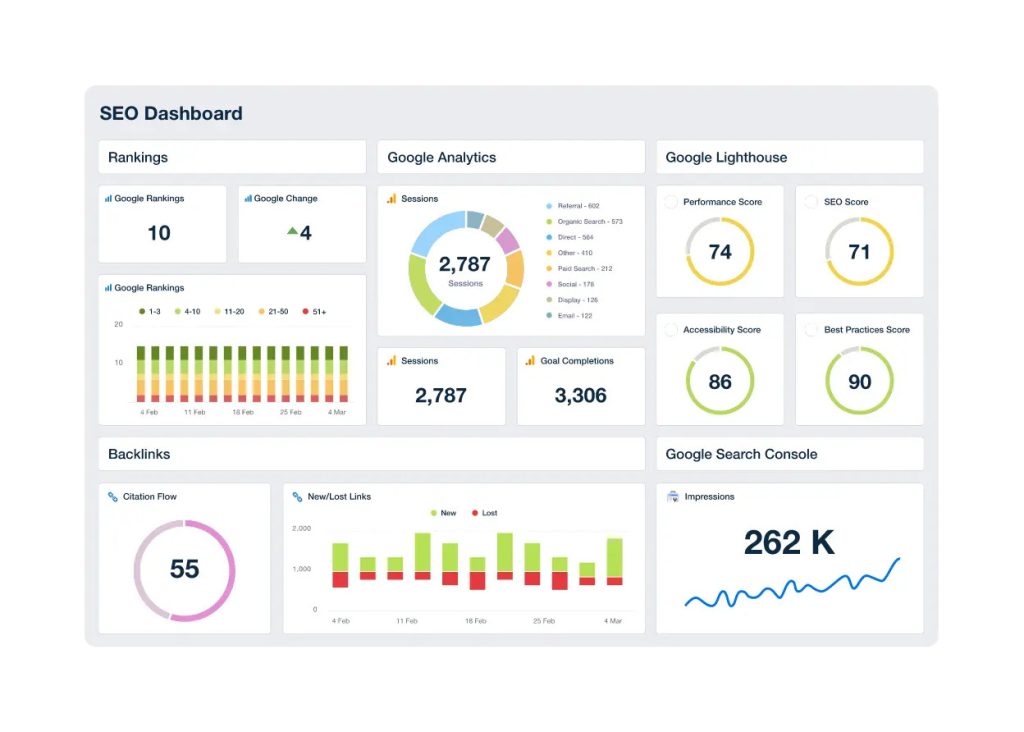
When learning how to make seo analysis report, it’s important to include the right data.
1 Keyword Ranking Performance
Keyword rankings show how well your website appears in search results.
Key metrics to include:
- top ranking keywords
- ranking improvements
- keyword position changes
- new ranking keywords
Many marketers track rankings using tools like
SEMrush and
Ahrefs.
2 Organic Traffic Analysis
Organic traffic data shows how many visitors arrive from search engines.
You can analyze this using
Google Analytics.
Metrics to include in a SEO report summary:
- total organic sessions
- traffic growth
- landing pages performance
- user engagement metrics
Tracking this data helps determine whether SEO strategies are working.
3 Technical SEO Issues
A good SEO analysis report must highlight technical SEO problems.
Common issues include:
- crawl errors
- slow page speed
- broken links
- indexing problems
- duplicate pages
You can identify these issues using
Google Search Console.
4 Backlink and Authority Analysis
Backlinks are one of the most important ranking signals.
Your SEO report work should include:
- total backlinks
- referring domains
- new links gained
- lost links
- toxic backlinks
These insights help improve link-building strategies.
Step-by-Step Process: How to Make SEO Analysis Report
Now let’s break down how to make seo analysis report step-by-step.
Step 1: Define the SEO Goals
Before generating reports, define the objective.
Common SEO goals include:
- increase organic traffic
- improve keyword rankings
- grow conversions
- improve technical SEO health
Your SEO plan report should align with these goals.
Step 2: Collect SEO Data
Gather data from multiple SEO tools.
Popular sources include:
- Google Analytics
- Google Search Console
- SEMrush
- Ahrefs
These tools provide information about:
- search traffic
- ranking keywords
- backlinks
- site performance
Combining these sources helps create a good SEO report.
Step 3: Analyze Keyword Performance
Keyword analysis is a major part of how to make seo analysis report.
Look for:
- ranking increases
- ranking drops
- new keyword opportunities
Include visual charts to make the SEO report summary easier to understand.
Step 4: Audit Website Technical Health
Technical issues can prevent websites from ranking.
Analyze:
- page speed
- mobile usability
- crawlability
- indexing status
A complete SEO analysis report should clearly show these problems and suggest fixes.
Step 5: Analyze Content Performance
Content is another important part of SEO reporting.
Analyze:
- blog traffic
- top landing pages
- low performing content
- keyword relevance
This helps identify content opportunities.
Step 6: Compare Competitor Performance
Competitor analysis is useful when learning how to make seo analysis report.
Compare your website with competitors in terms of:
- ranking keywords
- backlinks
- domain authority
- content coverage
This helps identify SEO gaps.
Tools That Help Create SEO Analysis Reports
Modern SEO professionals rely on automated tools to generate reports.
Popular SEO reporting tools
| Tool | Purpose |
|---|---|
| SEMrush | keyword tracking |
| Ahrefs | backlink analysis |
| Google Analytics | traffic analysis |
| Google Search Console | search performance |
Many agencies also use auto seo tools to automate reporting dashboards.
What Makes a Good SEO Report?
A good SEO report should be:
✔ clear and simple
✔ visually organized
✔ data-driven
✔ actionable
It should answer three main questions:
1️⃣ What happened?
2️⃣ Why did it happen?
3️⃣ What should we do next?
Example SEO Report Structure
A typical yearly SEO report or monthly report includes:
1 Executive Summary
- campaign overview
- key SEO improvements
2 Traffic Performance
- organic traffic trends
- top pages
3 Keyword Rankings
- top keywords
- ranking improvements
4 Technical SEO Findings
- crawl issues
- page speed insights
5 Backlink Analysis
- new links
- lost links
6 Action Plan
- SEO recommendations
- next steps
This structure makes the SEO report meaning easy to understand for clients and stakeholders.
Common Mistakes When Creating SEO Reports
When learning how to make seo analysis report, avoid these mistakes.
1 Too Much Data
Reports should highlight insights, not just numbers.
2 Lack of Actionable Insights
Every SEO report summary should include recommendations.
3 Ignoring Technical SEO
Technical issues can significantly impact rankings.
Understanding how to make seo analysis report is an essential skill for SEO professionals, agencies, and website owners.
A well-structured SEO reporting document helps businesses:
- track SEO progress
- identify website issues
- improve keyword rankings
- grow organic traffic
By combining keyword analysis, technical SEO insights, and competitor data, you can create a simple SEO report that delivers clear, actionable insights.
Regular SEO reports also make it easier to measure campaign performance and demonstrate SEO ROI.
What should I include in my SEO report?
A good SEO report should include:
keyword rankings
organic traffic data
technical SEO issues
backlink analysis
competitor insights
How often should SEO reports be created?
Most SEO professionals create reports monthly, while larger businesses may create quarterly or yearly SEO reports.
Which tools help create SEO analysis reports?
Popular tools include:
Google Analytics
Google Search Console
SEMrush
Ahrefs

