An ecommerce SEO audit is the process of analyzing an online store to identify technical issues, content gaps, and optimization opportunities that affect search rankings.
Without a proper ecommerce seo site audit, online stores often suffer from:
- low organic traffic
- duplicate product pages
- poor internal linking
- weak technical SEO
- slow page speed
A well-executed ecommerce site audit helps identify these problems and provides a roadmap to improve rankings, user experience, and conversions.
According to Google Search Central, regularly auditing your website helps ensure that search engines can crawl, index, and understand your content correctly.
This guide explains how to perform a complete ecommerce SEO audit, including tools, checklists, reports, and AI-powered analysis.
What is an Ecommerce SEO Audit?
An ecommerce SEO audit is a comprehensive analysis of an online store’s SEO performance.
It evaluates multiple SEO components such as:
| SEO Area | What is Checked |
|---|---|
| Technical SEO | Crawlability, indexation, site speed |
| On-Page SEO | Product pages, categories, metadata |
| Content SEO | Product descriptions, blog content |
| Link Profile | Internal linking & backlinks |
| UX Signals | Mobile usability & Core Web Vitals |
The goal of an ecommerce seo site audit is to detect issues preventing a website from ranking higher on search engines.
Why Ecommerce SEO Audit is Important
Running a regular ecommerce SEO audit ensures your store stays competitive in search results.
Key benefits
✔ Identify technical SEO errors
✔ Improve keyword rankings
✔ Increase organic traffic
✔ Optimize product pages
✔ Improve conversion rate
For example, large ecommerce websites often face problems like:
- duplicate product URLs
- index bloat
- broken links
- thin product content
A proper ecommerce site audit fixes these issues and strengthens the entire SEO structure.
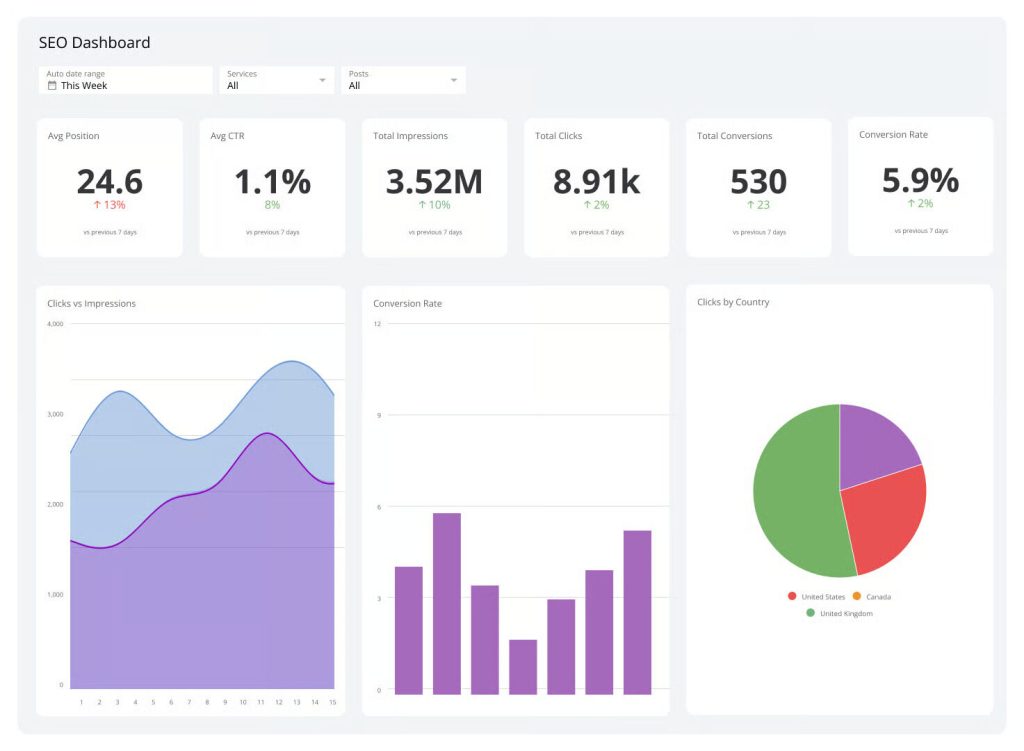
Key Components of an Ecommerce SEO Audit
1 Technical SEO Analysis
The first step of an ecommerce SEO audit is technical analysis.
Important factors include:
- crawl errors
- XML sitemap issues
- robots.txt configuration
- canonical tags
- site speed
Tools like Google Search Console help identify crawl and indexing problems.
2 Website Structure and Internal Linking
Internal linking plays a crucial role in an ecommerce seo site audit.
A good ecommerce structure looks like:
Home
→ Category
→ Sub-Category
→ Product
Benefits include:
- improved crawlability
- better user navigation
- stronger keyword relevance
3 Keyword Optimization
Keyword targeting is critical during an ecommerce SEO audit.
Each page should target:
- primary keyword
- semantic keywords
- transactional search intent
For example:
Product pages → buying keywords
Category pages → commercial keywords
Blog posts → informational keywords
4 Content SEO Audit
Content quality significantly impacts ecommerce rankings.
A content SEO audit analyzes:
- product descriptions
- category content
- blog articles
- duplicate content issues
Thin content is one of the most common issues in ecommerce websites.
5 Backlink and Authority Analysis
Backlinks are another key factor during an ecommerce audit.
You should analyze:
- referring domains
- anchor text distribution
- toxic backlinks
Popular tools for backlink analysis include:
- Ahrefs
- SEMrush
- Moz
AI and Automation in Ecommerce SEO Audits
Modern ecommerce audits increasingly rely on AI tools.
AI helps with:
- automated site crawling
- keyword clustering
- ranking analysis
- predictive SEO insights
AI-powered auto seo tools can generate detailed reports and track keyword performance automatically.
Ecommerce SEO Audit Checklist
A typical ecommerce SEO audit checklist includes the following steps:
Technical SEO
- Crawl website
- Fix broken links
- Check indexing
- Improve page speed
On-Page SEO
- Optimize titles and meta descriptions
- Improve product descriptions
- Add schema markup
Content SEO
- Remove duplicate pages
- Expand category content
- optimize product keywords
Link Profile
- analyze backlinks
- remove toxic links
- build authority links
Ecommerce SEO Audit Tools
Several tools help automate an ecommerce site audit.
Popular tools
- Screaming Frog SEO Spider
- Google Analytics
- SEMrush
These tools help generate:
- crawl reports
- ranking reports
- technical SEO analysis
Ecommerce SEO Audit Report
After completing the ecommerce SEO audit, you should create a structured report.
A typical report contains:
1 Technical SEO findings
2 Content issues
3 Backlink analysis
4 Ranking performance
5 Action plan
Ecommerce SEO Audit for Local and Global Stores
Large ecommerce websites often target both:
- global customers
- local customers
Local stores require additional optimization such as:
- Google Business Profile
- local citations
- location pages
When Should You Perform an Ecommerce SEO Audit?
Experts recommend running an ecommerce SEO audit:
- every 3–6 months
- after website redesign
- after traffic drop
- before major marketing campaigns
Regular audits help maintain consistent organic growth.
An E-commerce SEO audit is one of the most important processes for improving search visibility and sales for online stores.
By conducting a complete ecommerce site audit, businesses can:
- identify ranking issues
- optimize product and category pages
- improve technical SEO
- strengthen authority and backlinks
When done correctly, an ecommerce site audit provides a clear roadmap to increase organic traffic, improve user experience, and grow ecommerce revenue.
What is an ecommerce SEO audit?
An ecommerce SEO audit analyzes an online store’s SEO performance to identify technical issues, content gaps, and ranking opportunities.
How often should an ecommerce site audit be done?
Most experts recommend performing an ecommerce site audit every 3–6 months.
Which tools help with ecommerce SEO audits?
Popular tools include:
Google Search Console
Screaming Frog
Ahrefs
SEMrush