
Navigating the complex world of SEO in 2026 often means sifting through outdated advice and modern best practices. If you’re looking for backlink basics, the idea of finding quality “buy high PR links” might still surface. It’s a phrase that harkens back to an older internet era, and understanding why it’s largely irrelevant today is crucial for any effective link-building strategy. This guide will clarify what “high PR” once meant, why it no longer applies, and, most importantly, what truly constitutes a valuable backlink in the current search landscape.
The Echo of PageRank: Why “High PR Links” Are a Myth in 2026
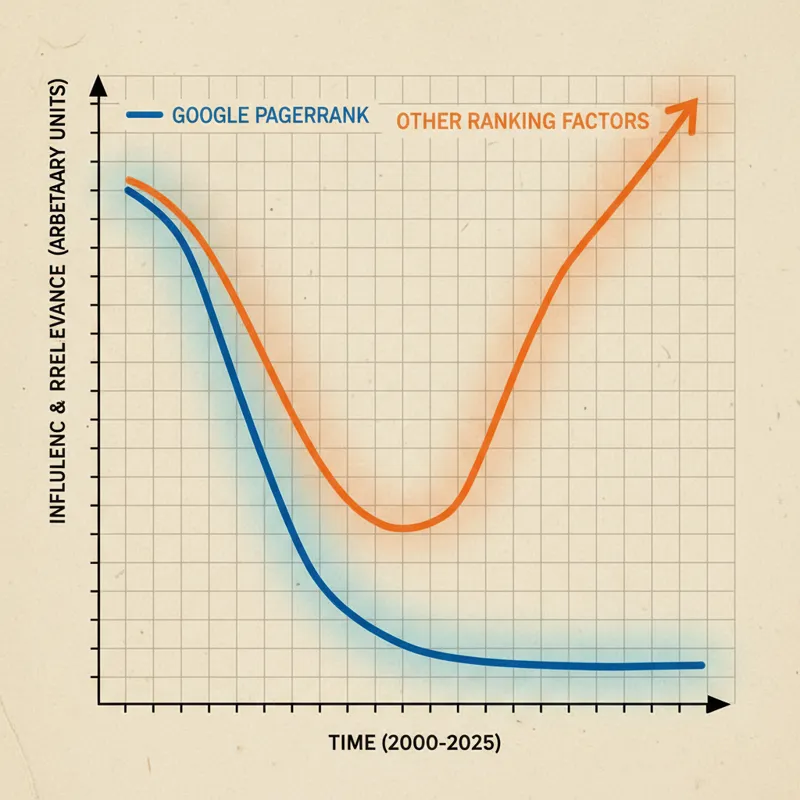
Back in the early days of search engines, Google PageRank (PR) was a widely recognized metric for evaluating the importance and authority of a web page. Named after Google co-founder Larry Page, this algorithm assigned a numerical weight (typically from 0 to 10) to every page, reflecting its importance based on the quantity and quality of links pointing to it. A higher PR indicated a more authoritative and trustworthy page, and naturally, everyone wanted to buy high PR links.
The concept was simple: if a page with a PR of 7 linked to your site, it passed on more “link juice” than a page with a PR of 2. For years, SEOs chased these numbers, meticulously building or acquiring links from pages with perceived high PageRank scores. The public PageRank toolbar, which displayed a page’s PR, fueled an entire industry around buying and selling these coveted links. It created a straightforward, albeit often manipulated, benchmark for link value.
However, Google stopped updating the public PageRank toolbar in 2013 and officially retired it in 2016. This means that any mention of “high PR links” today refers to an entirely defunct metric. When someone offers you the chance to buy high PR links, they’re either misinformed, intentionally misleading you, or using the term as a synonym for what they perceive as general “high authority” links, often referencing other third-party metrics like Domain Authority (DA) or Domain Rating (DR).
In 2026, Google’s algorithms are vastly more sophisticated. They consider hundreds of factors beyond a single, static score. The focus has entirely shifted to contextual relevance, naturalness, and genuine editorial value. Chasing a ghost like PageRank is not only futile but can actively harm your SEO efforts by diverting resources from what truly matters.
What Defines a “High Quality” Link in 2026? Moving Beyond Old Metrics
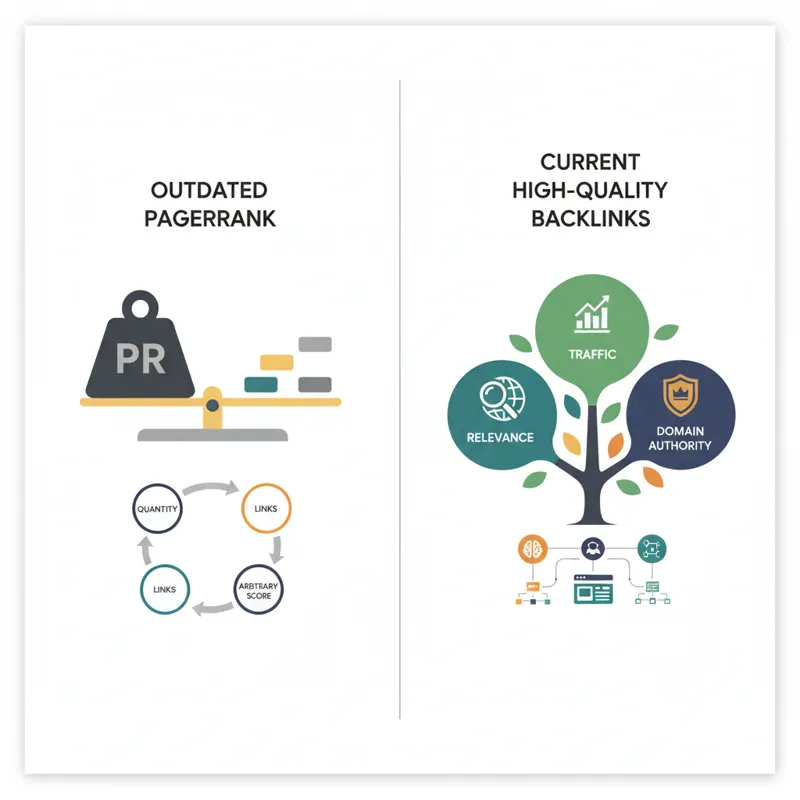
A comparison chart of outdated PageRank metrics vs. current high-quality backlink attributes like relevance, traffic, and domain authority.
With PageRank out of the picture, understanding what makes a backlink truly valuable is critical. When people mistakenly talk about “buy high PR links” today, what they’re usually aiming for are links that possess these modern characteristics:
Relevance and Context
A link from a website that is topically relevant to yours carries immense weight. If you sell organic dog food, a link from a pet care blog is far more valuable than one from a financial news site, even if the latter has a high domain rating. Google’s algorithms are excellent at understanding context, and a relevant link indicates a natural connection that benefits users.
Authority and Trustworthiness
While Google doesn’t share its internal authority metrics, third-party tools like Ahrefs’ Domain Rating (DR), Moz’s Domain Authority (DA), and Semrush’s Authority Score provide proxies. These scores estimate a website’s overall authority based on its backlink profile. A link from a site with a high DR or DA (e.g., 70+) generally suggests it’s a well-established, trustworthy source. However, don’t let these metrics be your sole guide; a lower DR site with extreme relevance can still be highly impactful.
Organic Traffic and Visibility
A backlink from a page that itself receives significant organic traffic is a strong signal of quality. It means Google already trusts that page enough to rank it for relevant queries. Such links not only pass potential authority but can also drive referral traffic to your site, which is a direct, measurable benefit. This is a key differentiator from old “PR” metrics that didn’t directly correlate with actual visitor numbers.
Natural Placement and Editorial Vetting
The best links are those that appear naturally within the main body content of an article, surrounded by relevant text. They aren’t in a footer, sidebar, or a “sponsored” section (unless clearly marked with appropriate rel attributes like rel="sponsored" or rel="ugc"). A truly high-quality link is editorially placed, meaning the site owner or author genuinely believes your content adds value to their readers.
Anchor Text Relevancy
The text used to link to your site (the anchor text) should be natural and descriptive, providing context about the linked page. Over-optimized, exact-match anchor text can be a red flag for Google, signaling manipulative practices. A varied and contextually relevant anchor text profile is ideal.
Focusing on these attributes is how you build a robust and future-proof link profile in 2026, steering clear of the outdated notion of trying to buy high PR links.
The Perils of Trying to “Buy High PR Links” (or Paid Links Generally)
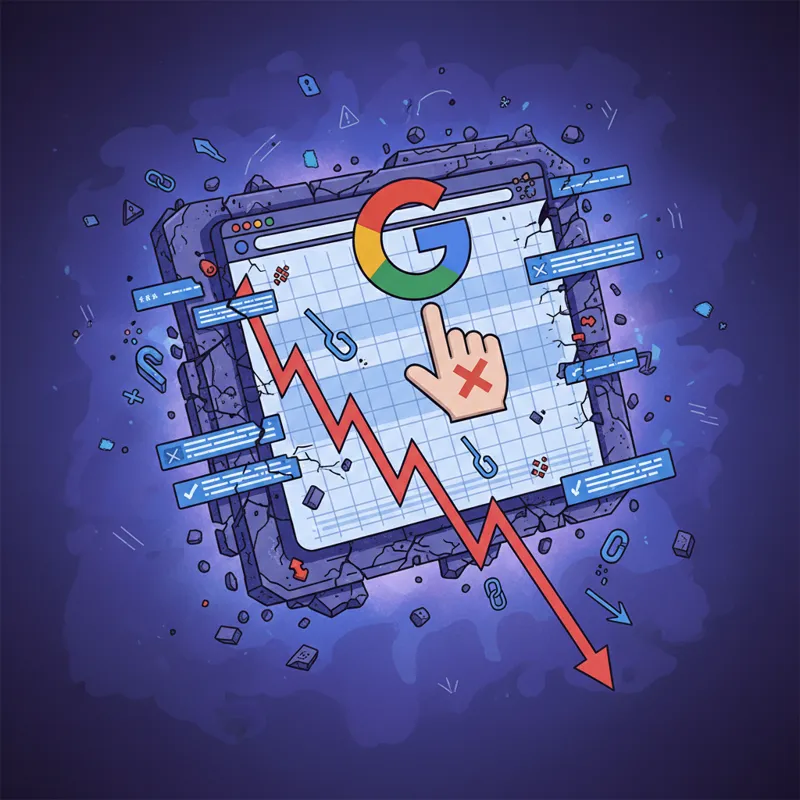
A stylized illustration of a website being penalized by Google, with broken links and a downward trending graph.
The core issue with trying to “buy high PR links” or any paid link, for that matter, is that it directly violates Google’s Webmaster Guidelines. Google explicitly states that “any links intended to manipulate PageRank or a site’s ranking in Google search results may be considered part of a link scheme and a violation of Google’s Webmaster Guidelines.” This includes buying or selling links that pass PageRank (even though “PageRank” is no longer public, the concept of manipulating algorithmic signals remains).
Google Penalties: A Real Threat
Google employs sophisticated algorithms and manual reviewers to detect manipulative link schemes. If caught, your site could face severe consequences:
-
- Algorithmic Devaluation: Google’s algorithms might simply devalue or ignore your purchased links, rendering them worthless. This is a common outcome for low-quality or obviously artificial links.
- Manual Penalty: A Google reviewer could issue a manual action against your site. This typically results in a significant drop in rankings or even complete de-indexing from search results. Recovering from a manual penalty is a challenging and often lengthy process, requiring extensive link auditing, disavowing harmful links, and submitting a reconsideration request.
While some argue about the effectiveness of certain paid link tactics, the risk-reward ratio rarely tips in your favor over the long term. Any short-term gains are typically unsustainable and can be wiped out by an algorithm update or manual review.
Wasted Investment
Beyond penalties, the money spent trying to buy high PR links or any other type of manipulative link is often a wasted investment. These links are frequently low quality, irrelevant, or come from sites specifically built to sell links (Private Blog Networks or PBNs), which are easily identifiable and devalued by Google. The cost of acquiring these links, combined with the potential cost of recovery from penalties, makes it a financially unsound strategy.
Damage to Brand Reputation and Trust
Engaging in black-hat SEO tactics can also damage your brand’s reputation. If your site is associated with shady link schemes, it can erode trust with your audience and even potential partners. Building a sustainable online presence requires a foundation of ethical practices.
In 2026, the emphasis is on earning links through genuine value and relationships, not on transactional link acquisition. Ignoring this principle is a recipe for long-term SEO struggles.
Ethical and Effective Link Building Strategies for 2026
Instead of trying to buy high PR links, focus on strategies that genuinely add value and earn natural links. These methods are sustainable, penalty-proof, and contribute to overall website authority and traffic. A strong strategic content marketing plan is often at the heart of effective link building.
1. Create Linkable Assets (Content Marketing)
This is the cornerstone of modern link building. Produce high-quality, unique, and valuable content that others naturally want to reference and link to. Examples include:
-
- In-depth Guides: Comprehensive resources on a specific topic.
- Original Research/Data: Conduct surveys, analyze data, and publish your findings. Journalists and bloggers love citing original statistics.
- Infographics and Visuals: Easy-to-digest visual representations of complex data or processes.
- Tools and Calculators: Interactive resources that solve a specific problem for users.
- “Skyscraper” Content: Find existing popular content, make it significantly better, more comprehensive, and more up-to-date, then promote it.
Quality content isn’t just about text; it’s about providing genuine utility and answers. This is what naturally attracts inbound links.
2. Digital PR and Media Outreach
Digital PR involves leveraging traditional public relations tactics in the digital space to earn media mentions and links. This can include:
-
- Press Releases: Announcing new products, services, or company milestones.
- Expert Commentary (HARO/SourceBottle): Responding to journalist queries on platforms like HARO (Help A Reporter Out) or SourceBottle, providing expert insights in exchange for a mention and link.
- Building Relationships: Connecting with journalists, bloggers, and influencers in your niche.
When you offer genuine value to a reporter or publication, they’re often happy to link back to your site as a source.
3. Broken Link Building
This is a highly effective and ethical tactic. It involves:
-
- Finding broken links (404 errors) on authoritative websites in your niche.
- Creating or identifying relevant content on your site that could replace the broken resource.
- Reaching out to the website owner, informing them of the broken link, and suggesting your content as a helpful replacement.
It’s a win-win: they fix a broken link, and you get a valuable backlink.
4. Resource Page Link Building
Many websites maintain “resource” or “links” pages that curate helpful content for their audience. Identify these pages in your industry and suggest your valuable content for inclusion. The key is to demonstrate how your resource genuinely enhances their page.
5. Guest Posting (Ethical Approach)
Ethical guest posting focuses on providing genuinely valuable content to another website’s audience, not just on securing a link. If your guest post is high quality and relevant, you’ll naturally earn an author bio link or an in-content link that passes value. Avoid guest posting purely for the sake of a link, especially on low-quality sites.
For more specific guidance, particularly for niche strategies, understanding how to build backlinks for ecommerce might be relevant if you’re operating in that space. The principles of value and relevance remain constant across all sectors.
What Most People Get Wrong About Link Acquisition in 2026
Even with the best intentions, several misconceptions can derail a link-building strategy. Understanding these pitfalls is as important as knowing the right tactics when you aim to grow your website’s authority without resorting to trying to buy high PR links.
Myth 1: More Links Are Always Better
This is perhaps the most common misconception. The internet is flooded with low-quality links, and search engines are very good at identifying them. One high-quality, relevant, and authoritative link can be worth hundreds of low-quality, spammy links. Focus on quality over quantity. A clean, strong backlink profile is far more valuable than a bloated one filled with junk.
Myth 2: Any “High DA/DR” Site is a Good Source
While third-party metrics like Domain Authority (DA) or Domain Rating (DR) can indicate a site’s overall strength, they don’t tell the whole story. A site with a high DA that is completely irrelevant to your niche, or worse, known for selling links indiscriminately, can be detrimental. Always prioritize relevance and naturalness, even if it means a link from a site with a slightly lower, but still respectable, authority score.
Myth 3: Link Building is a One-Time Task
Link building is an ongoing process, not a checklist item you complete and forget. The competitive landscape constantly evolves, new content emerges, and your competitors are likely building links. To maintain and grow your organic visibility, you need a continuous strategy for earning new, high-quality links. It’s part of a holistic SEO strategy.
Myth 4: Expecting Instant Results
Link building takes time to yield results. Google’s algorithms don’t react instantly to new links. It takes time for pages to be crawled, for the links to be processed, and for their value to propagate through the system. Expecting immediate ranking boosts after acquiring a few links is unrealistic. Patience and consistency are key.
Myth 5: Neglecting Internal Linking
While external backlinks are crucial, many people overlook the power of internal linking. Strategically linking between your own relevant pages helps distribute authority throughout your site, improves user navigation, and helps search engines understand the structure and hierarchy of your content. A robust internal linking structure complements your external link-building efforts significantly.
Myth 6: Focusing Solely on the Link, Not the Relationship
The most successful link builders in 2026 understand that at the heart of every good link is a human connection. Instead of cold, transactional requests, focus on building genuine relationships with other site owners, journalists, and influencers. When you establish trust and mutual value, links often follow naturally.
Tools and Services for Legitimate Link Building
Engaging in effective and ethical link building requires the right tools and, sometimes, the right partners. These resources can help you identify opportunities, analyze competitors, and streamline your outreach efforts without having to resort to attempting to buy high PR links.
1. SEO Analysis Suites
These all-in-one platforms are indispensable for any serious link builder:
-
- Ahrefs: Excellent for competitive backlink analysis, content gap analysis, keyword research, and monitoring your own backlink profile. Its “Content Explorer” and “Site Explorer” features are phenomenal for finding link opportunities.
- Semrush: Offers robust backlink audit tools, competitor analysis, keyword research, and content marketing insights. Its “Link Building Tool” can help identify prospects and manage outreach.
- Moz: Known for its Domain Authority (DA) metric, Moz also provides valuable tools for link analysis, keyword research, and technical SEO audits.
These tools allow you to analyze your competitors’ backlink profiles (a technique known as competitive backlinking), find broken links, identify popular content in your niche, and track your progress.
2. Outreach and Communication Tools
Once you’ve identified link prospects, efficient outreach is key:
-
- Hunter.io: Helps you find email addresses associated with a website.
- BuzzStream: A comprehensive CRM for link building and digital PR, helping you manage contacts, track conversations, and automate outreach sequences.
- Pitchbox: Similar to BuzzStream, designed for influencer outreach, content promotion, and link building at scale.
These tools help you personalize your outreach, track responses, and manage the often-complex process of securing links.
3. Content Creation Resources
If your link strategy is based on creating linkable assets, you’ll need resources for high-quality content:
-
- Freelance Writers/Editors: Platforms like Upwork or Contently can help you find skilled writers to produce authoritative articles and guides.
- Graphic Designers: For infographics, custom images, or data visualizations, platforms like Dribbble or Fiverr can connect you with designers.
4. Professional Link Building Outreach Services
For businesses lacking the in-house time or expertise, a reputable link building outreach service can be a viable option. However, extreme caution is advised:
-
- Vetting is Crucial: Look for agencies that emphasize white-hat, content-driven strategies, transparency in their process, and a focus on earned media rather than transactional link buying.
- Ask for Case Studies: A good agency will be able to demonstrate success with ethical campaigns, showing how they earned links through genuine value.
- Avoid “Guaranteed Links”: Any service promising a specific number of links or links from sites with specific DA/DR scores for a fixed price should be approached with skepticism. Quality link building is about relationships and value, not guarantees.
While the idea of “buy high PR links” feels like a quick fix, investing in these tools and services, when used ethically, builds a far stronger, more sustainable link profile.
Avoiding “Buy High PR Links” Scams and Low-Quality Offerings
The internet is unfortunately rife with services promising easy backlinks, often using outdated or misleading terminology like “buy high PR links.” These offers are almost always too good to be true and carry significant risks for your website’s SEO health. Recognizing the red flags is your first line of defense.
Red Flag 1: Guaranteed High Metrics for Cheap
Any service that guarantees a specific number of links from sites with “high PR” (which, as we know, is irrelevant), high DA/DR, or high traffic for an incredibly low price is a major red flag. Quality link building is labor-intensive and expensive because it involves creating great content and engaging in genuine outreach. Cheap, guaranteed links almost invariably come from:
-
- Private Blog Networks (PBNs): Networks of websites created solely for the purpose of linking to others. Google is highly skilled at detecting and devaluing these.
- Link Farms: Websites that exist purely to sell links, often across unrelated niches, offering no real value.
- Spammy Directories or Forums: Low-quality sites where anyone can drop a link without editorial review.
Red Flag 2: Lack of Transparency or Control
If a service won’t tell you exactly where your links will come from, or if they promise links from “our network” without providing specifics, proceed with extreme caution. You need to know that the sites linking to you are reputable and relevant. A legitimate link-building partner will always be transparent about their process and the types of sites they target.
Red Flag 3: Irrelevant or Unnatural Links
Links that have no logical connection to your business or content are not only worthless but harmful. If you sell hiking gear and a service offers you a link from a gambling site, that’s a clear indicator of a low-quality, manipulative practice. Google values relevance above almost all else.
Red Flag 4: One-Size-Fits-All Packages
Effective link building is customized to your niche, audience, and content. Services offering generic “10 high PR links for $50” packages fail to account for these critical factors. A tailored strategy is essential for success.
Red Flag 5: Focus on Outdated Metrics
As covered, if a service still heavily advertises “high PR links” or relies solely on outdated metrics without discussing modern quality signals like traffic, relevance, and editorial placement, they likely aren’t up-to-date with current SEO best practices.
While the allure of a quick fix is tempting, investing in genuine content and ethical outreach, even if slower, builds a far more resilient and successful online presence. You can’t truly buy quality in the way you once might have thought you could buy high PR links; you have to earn it.
Frequently Asked Questions About Backlinks in 2026
Are paid links always bad for SEO?
Not always, but mostly. Google’s guidelines explicitly state that buying or selling links that pass PageRank for SEO purposes is a violation. However, if a link is clearly marked with rel="sponsored" or rel="nofollow" and doesn’t pass traditional “link juice,” it generally won’t incur a penalty. The distinction lies in whether the link is intended to manipulate rankings. Most services that offer to “buy high pr links” are not using these appropriate tags, making them risky.
How long does it take to see results from link building?
Link building is a long-term strategy. You might start seeing minor improvements in a few weeks or months, but significant ranking shifts and authority gains typically take 6-12 months or even longer, depending on your niche, competition, and the quality of your efforts. Patience and consistency are crucial.
What’s a good alternative to trying to “buy high PR links”?
Focus on creating exceptional content that naturally attracts links. Engage in digital PR, broken link building, resource page outreach, and ethical guest posting. These strategies earn natural, relevant, and high-quality backlinks that Google values. If you’re looking for quick ways to jumpstart, exploring options like a youtube backlink generator or a backlink blogger might pop up, but remember to vet their methods for ethical compliance.
Can I use a free SEO backlinks list or try to get free backlinks?
Yes, you can look for a free seo backlinks list or aim to get free backlinks, but approach with caution. While some lists might contain legitimate opportunities (e.g., industry directories, government resources), many can lead to low-quality or spammy links that could harm your site. Always vet each opportunity for relevance, authority, and naturalness before pursuing it.
What about buying high DA backlinks?
The term “high DA backlinks” is often used interchangeably with the outdated “high PR links.” While Domain Authority (DA) from Moz is a useful third-party metric, buying links based solely on DA can be problematic. The same risks associated with buying any link apply: potential penalties, irrelevance, and wasted money. Focus on earning links from highly relevant sites that also happen to have strong DA/DR scores naturally.
Is it ever okay to buy homepage backlinks or buy EDU backlinks?
The principle remains the same: buying links, regardless of their source (homepage or EDU domain), is against Google’s guidelines if intended to manipulate rankings. EDU links are often highly sought after due to their perceived authority, but they are also heavily monitored for abuse. If you can earn an EDU link naturally (e.g., through a scholarship program or by being cited in academic research), that’s fantastic. Attempting to buy high PR links from an EDU domain through illicit means carries significant risk.
Conclusion: Earning Authority in 2026, Not Buying Phantom PR
The landscape of search engine optimization has evolved dramatically, making the pursuit to buy high PR links an outdated and counterproductive endeavor in 2026. Google’s sophisticated algorithms prioritize relevance, genuine authority, and natural link profiles over any attempt to manipulate rankings with purchased or artificial connections.
To succeed in today’s digital environment, shift your focus from chasing phantom metrics to creating exceptional value. Invest in high-quality content that educates, entertains, or solves problems for your audience. Engage in ethical outreach, build real relationships, and earn links through merit. This approach not only safeguards your website from penalties but also builds a sustainable, long-term foundation for organic growth and true online authority. The best backlinks are earned, not bought, and they come from demonstrating genuine value within your niche.


