
In the digital landscape of 2026, the term backlink blogger carries more weight and nuance than ever before. It’s not simply about maintaining a blog; it’s about a strategic, proactive approach to digital visibility, where creating compelling content is just one piece of a larger, intricate puzzle. A backlink blogger understands that even the most brilliant articles can languish unseen without a robust network of high-quality backlinks pointing to them. This role merges content creation with a deep, practical understanding of search engine optimization, focusing on how to ethically acquire the digital endorsements that signal authority and relevance to search engines like Google.
What Exactly is a Backlink Blogger in 2026?

A backlink blogger is more than just someone who writes on a blog. They are a content creator, a digital strategist, and a relationship builder rolled into one. In 2026, this means actively designing content not just for human readers, but also for its inherent linkability. They recognize that search engines still heavily rely on backlinks as a primary signal for ranking, especially when considering the trustworthiness and expertise of a domain.
Beyond Just Writing: The Proactive Stance
The core distinction for a backlink blogger is their proactive engagement in the link acquisition process. While every blogger hopes their content earns links naturally, a dedicated backlink blogger takes intentional steps. They identify potential link opportunities, engage in outreach, and craft content specifically engineered to attract those crucial inbound links. This isn’t a passive activity; it’s a strategic campaign.
The Evolving Landscape of Link Building
The methods for acquiring good backlinks for SEO have evolved significantly. Gone are the days of spammy directories and low-quality link schemes. Today, effective link building relies on genuine value, authentic relationships, and adherence to search engine guidelines. A successful backlink blogger stays informed about algorithm updates and best practices, understanding that quality and relevance are paramount.
Why Quality Backlinks Remain Non-Negotiable for Bloggers
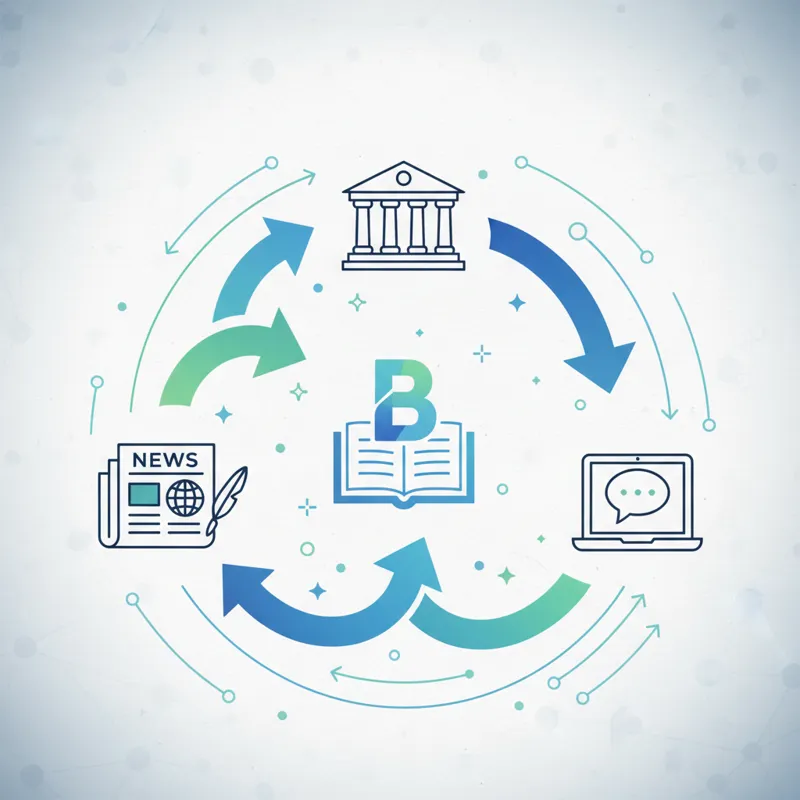
A stylized infographic showing various high-quality websites (represented by icons like a newspaper, a university, a reputable blog) pointing arrows towards a central blog icon, signifying link equity and trust.
Despite constant shifts in search engine algorithms, the fundamental importance of quality backlinks has not waned. They continue to be one of the strongest signals Google uses to determine where a page should rank in search results. For bloggers aiming for organic visibility, ignoring backlink acquisition is akin to building a beautiful house in the middle of nowhere without a road leading to it.
Establishing Authority and Trust
When a reputable website links to your blog post, it’s essentially casting a vote of confidence. This signals to search engines that your content is trustworthy, authoritative, and valuable. Over time, accumulating these “votes” from diverse, high-authority sources builds your domain’s overall reputation and credibility in your niche. This trust factor is incredibly hard to fake and is earned through consistent, high-quality work.
Driving Referral Traffic
Beyond SEO benefits, backlinks also serve as direct pathways for readers. A link from another relevant blog or industry site can funnel targeted referral traffic directly to your content. This traffic often consists of highly engaged users who are already interested in your topic, increasing the likelihood of conversions, longer on-site times, and repeat visits.
The Google Algorithm’s Enduring Signal
Google’s mission is to provide users with the most relevant and highest-quality information. While many factors contribute to rankings, backlinks are a critical component of Google’s PageRank algorithm, a system that fundamentally evaluates the importance of web pages. As observed consistently through algorithm updates, pages with strong, relevant backlink profiles tend to outperform those without, even if their content quality is similar. This makes the role of a backlink blogger central to any serious content strategy.
The Core Principles of Ethical Backlink Acquisition for Bloggers

A hand meticulously placing a puzzle piece into a larger puzzle, representing careful and deliberate link building, with a background showing a blurred web of connections.
Ethical backlink acquisition isn’t just about avoiding penalties; it’s about building a sustainable, long-term asset for your blog. It’s a process built on value exchange and genuine relationships, not shortcuts or manipulation. Understanding these principles is foundational for any aspiring backlink blogger.
Content as Your Primary Lever
At the heart of all ethical link building lies exceptional content. Without something genuinely valuable, informative, entertaining, or unique, getting other sites to link to you becomes an uphill battle. Your content needs to solve problems, answer questions comprehensively, present novel insights, or compile information in a way no one else has. This is your initial draw, your primary bait.
Relevance and Niche Alignment
A backlink from a highly relevant site in your industry is far more valuable than dozens from unrelated, low-quality sites. Search engines assess the context and relevance of links. A backlink blogger focuses on acquiring links from sites that logically connect to their niche, reinforcing their topical authority and ensuring the link provides value to both the referring site’s audience and their own.
User Experience and Site Health
Link building efforts can be undermined if your own site isn’t up to par. A fast-loading, mobile-friendly, secure website with clear navigation and an excellent user experience encourages people to link to you and helps search engines crawl and index your content effectively. A healthy site architecture, including thoughtful link juice distribution through internal linking, also supports your external link-building initiatives.
Strategies for the Modern Backlink Blogger: A Practical Guide
Becoming a successful backlink blogger involves a blend of creativity, persistence, and strategic thinking. Here are some proven, white-hat strategies that remain effective in 2026:
Creating Linkable Assets (Pillar Content)
These are comprehensive, high-value pieces of content designed to be the definitive resource on a particular topic. Think ultimate guides, in-depth research reports, comprehensive tool lists, or interactive resources. They serve as “link magnets” because they are so useful that other sites naturally want to reference them. Invest significant time and resources into these pieces.
-
- Long-form Guides: “The Definitive Guide to [Your Niche Topic] in 2026.”
- Original Research: Conduct surveys, analyze data, and publish your unique findings. Publications and industry blogs love to cite original research.
- Tools & Calculators: If applicable, create a free tool or calculator that provides value, making it highly shareable and linkable.
- Data Visualizations: Complex data made easy to understand through infographics and charts is often cited.
The Art of Resource Page Link Building
Many websites maintain “resource pages” or “recommended readings” lists for their audience. These pages curate links to other valuable content around a specific topic. As a backlink blogger, your task is to identify these pages within your niche and then politely suggest your relevant, high-quality content for inclusion. This requires careful prospecting and personalized outreach.
Guest Posting (Done Right in 2026)
Guest posting is still a viable strategy, but the focus must be on quality and genuine contribution, not just link placement. Seek out authoritative blogs in your niche that accept guest contributions. Propose unique, well-researched topics that provide real value to their audience. The backlink you receive (typically in your author bio or within the content) is a bonus for sharing your expertise on a relevant platform. Avoid low-quality, spammy sites; these can do more harm than good.
Broken Link Building (An Underutilized Tactic)
This strategy involves finding broken links on other websites within your niche, then suggesting your own relevant content as a replacement. Tools can help you identify pages with broken links. When you find one, reach out to the website owner, politely inform them of the broken link, and gently suggest your superior, relevant content as a fix. It’s a win-win: they fix a problem on their site, and you get a backlink.
Digital PR and Relationship Building
Building genuine relationships with journalists, influencers, and other bloggers in your industry is invaluable. Share their content, engage with their work, and offer genuinely helpful insights. When you have something truly newsworthy or innovative to share, they’re more likely to cover it or link to it because of the established relationship. This proactive networking is a cornerstone of a successful backlink campaign.
Leveraging Data and Unique Research
In a world saturated with content, original data and unique research stand out. Whether it’s conducting a proprietary survey, analyzing large datasets for trends, or creating a unique case study, content backed by hard evidence is highly citable. When other publications, academic institutions, or industry analysts need sources, your unique research becomes a prime candidate for a link. For instance, reputable publications like Forbes often cite original research in their articles, demonstrating the value of this approach.
Internal Linking for Link Juice Distribution
While not external links, effective internal linking is crucial for a backlink blogger. It helps distribute “link juice” across your own site, boosts the authority of your inner pages, and guides users and search engine crawlers. Make sure your most important pages receive internal links from other relevant, authoritative pages on your blog. This strengthens your overall site architecture and supports your external link-building efforts. You can learn more about search engine optimization principles on resources like Wikipedia, which provides foundational understanding.
What Most People Get Wrong About Being a Backlink Blogger
The pursuit of backlinks is often fraught with misconceptions. Many aspiring backlink bloggers fall into common traps that can hinder their progress or even lead to penalties. Avoiding these pitfalls is as important as implementing effective strategies.
Chasing Quantity Over Quality
This is perhaps the biggest mistake. The idea that “more links are better” is outdated and dangerous. A few highly relevant, authoritative links are exponentially more valuable than hundreds of low-quality, spammy ones. Google actively penalizes sites that engage in manipulative link schemes. Always prioritize quality, relevance, and the authority of the linking domain over sheer numbers.
Neglecting Content Promotion
Many bloggers create great content, hit “publish,” and then wait for links to magically appear. Effective link building requires active promotion. Share your content across social media, email newsletters, and relevant communities. The more eyes on your content, the higher the chance it gets discovered and linked to. A backlink blogger understands that content creation is only half the battle; promotion and outreach complete the picture.
Ignoring Nofollow and UGC Links
While dofollow links pass direct “link juice,” nofollow links (and now UGC/sponsored attributes) still have value. They can drive referral traffic, build brand awareness, and contribute to a natural link profile. A site with only dofollow links can look unnatural. Embrace a diverse link profile that includes various types of links.
Expecting Overnight Results
Link building is a long-term strategy. It takes time to build relationships, create linkable assets, and see the impact of your efforts on search rankings. Patience and persistence are key. Don’t get discouraged if you don’t see dramatic changes in a few weeks or even months. Consistent, ethical effort yields results over time.
Tools and Resources for the Savvy Backlink Blogger
To operate effectively in 2026, a backlink blogger relies on a suite of tools that streamline the process of research, analysis, and outreach. These aren’t just luxuries; they are essential for competitive link building.
Backlink Analysis Tools
-
- Ahrefs or Semrush: Industry-standard tools for analyzing competitor backlink profiles, finding broken links, monitoring your own links, and identifying link opportunities. They are indispensable for strategic analysis and competitive research. For example, using a tool to saber backlinks de una web can give you a significant edge in understanding competitor strategies.
- Google Search Console: Essential for monitoring your own site’s backlink profile directly from Google’s perspective, identifying crawl errors, and understanding your search performance. This free tool is a must-have.
Content Research Tools
-
- BuzzSumo: Helps identify popular content within your niche that has already attracted many shares and backlinks, giving you ideas for your own linkable assets.
- AnswerThePublic / AlsoAsked: Great for uncovering questions people are asking around your topic, informing your content strategy to create highly relevant and helpful posts.
Outreach Platforms
-
- Hunter.io / Skrapp.io: Tools to find email addresses associated with websites, crucial for personalized outreach.
- Mailshake / Pitchbox: Dedicated outreach platforms that help manage your email campaigns, track responses, and automate follow-ups for your link-building efforts.
Measuring Success: How to Track Your Backlink Efforts
Simply acquiring links isn’t enough; a strategic backlink blogger needs to measure the impact of their efforts. This involves tracking key metrics to understand what’s working and where adjustments are needed.
Key Metrics to Monitor
-
- Referring Domains: The total number of unique websites linking to your site. This is often a more important metric than the total number of individual backlinks.
- Domain Rating/Authority: How the authority of your overall domain is progressing. Tools like Ahrefs’ DR or Moz’s DA can help you track this.
- Keyword Rankings: Are your target keywords moving up in search results? This is the ultimate indicator of improved SEO performance.
- Organic Traffic: Is your organic traffic increasing over time? This shows that your improved rankings are translating into more visitors.
- Referral Traffic: Which specific backlinks are driving direct visitors to your site? This helps identify valuable linking partners.
Adjusting Your Strategy
Regularly review your data. If certain types of content or outreach methods consistently attract high-quality links, double down on those. If a particular strategy isn’t yielding results, don’t be afraid to pivot. The digital landscape is dynamic, and a successful backlink blogger continuously adapts their approach based on measurable outcomes. Learning what works and what doesn’t is part of any best link building strategy.
The Future of Backlink Blogging: What to Expect
As we move further into 2026 and beyond, the core principles of backlink blogging are likely to remain consistent: value, relevance, and authority. However, the methods and emphasis might continue to shift. We can expect an even stronger focus on:
-
- AI’s Role in Analysis: More sophisticated AI tools will assist in identifying link opportunities, analyzing content gaps, and even drafting personalized outreach messages.
- E-E-A-T (Experience, Expertise, Authoritativeness, Trustworthiness): Google’s emphasis on E-E-A-T will only grow, making links from truly experienced and expert sources even more crucial.
- Semantic Search and Topical Authority: Links that reinforce a holistic understanding of a topic, rather than just isolated keywords, will gain importance.
- Integrated Marketing: Link building will become even more intertwined with content marketing, PR, and social media, as a holistic approach to building brand visibility and reputation.
The successful backlink blogger of the future will be one who embraces these changes, staying adaptable while never losing sight of the fundamental need to create exceptional content and build genuine connections.
Frequently Asked Questions About Backlink Blogging
What’s the difference between a good and bad backlink?
A good backlink comes from a reputable, relevant website, has a high domain authority, and is placed naturally within content. It typically passes “link juice” and drives referral traffic. A bad backlink comes from a spammy, irrelevant, or low-quality site, often created through manipulative tactics, and can harm your search rankings.
How long does it take to see results from link building?
Results from link building are not immediate. You might start seeing minor improvements in keyword rankings within a few weeks or months, but significant increases in organic traffic and domain authority typically take 6-12 months of consistent, high-quality effort. It’s a long-term investment.
Is buying backlinks ever okay?
Google’s guidelines explicitly prohibit buying or selling links that pass PageRank. This is considered a manipulative practice and can lead to severe penalties. While you might pay for sponsored content or advertising, any link within such content should ideally be nofollowed to comply with Google’s rules. Stick to ethical, value-driven acquisition methods.
Can I get penalized for bad backlinks?
Yes, absolutely. If Google detects that your site has an unnatural or manipulative backlink profile, it can issue a manual action or algorithmic penalty, leading to a significant drop in rankings and traffic. This is why vigilance and a focus on quality are paramount for any backlink blogger.
How often should I check my backlink profile?
You should monitor your backlink profile regularly, ideally monthly or quarterly, using tools like Google Search Console and a professional backlink checker (e.g., Ahrefs, Semrush). This allows you to track new links, identify potentially harmful links (and disavow them if necessary), and gauge the overall health of your link profile.
Final Thoughts: Embracing the Role of a Strategic Backlink Blogger
Becoming an effective backlink blogger in 2026 is about more than just understanding SEO tactics. It’s about adopting a mindset that values quality, invests in robust content, and prioritizes genuine relationships. It’s a commitment to building a sustainable, authoritative online presence that stands the test of time and algorithm updates. By focusing on ethical, value-driven strategies, you not only improve your search rankings but also build a more credible and useful resource for your audience. This journey requires patience, persistence, and a continuous desire to learn and adapt, but the rewards in terms of organic traffic, brand authority, and digital influence are undeniably worth the effort.