Navigating the complex world of search engine optimization can feel like a constant uphill battle, especially when you’re starting out or operating on a limited budget. If you’re looking for backlink basics, finding a quality, actionable free SEO backlinks list that genuinely moves the needle for your website in 2026 can be particularly challenging. Many guides out there offer outdated advice or promote spammy tactics that risk penalties rather than deliver growth. The reality is, while high-tier paid link building services offer expediency and scale, a strategic, diligent approach to securing free backlinks remains a viable and essential component of any robust SEO strategy. This article dives deep into legitimate, high-quality sources for free backlinks, outlining practical methods, crucial best practices, and common pitfalls to avoid, ensuring your efforts contribute positively to your site’s authority and search rankings.
Understanding the Value of Free Backlinks in 2026
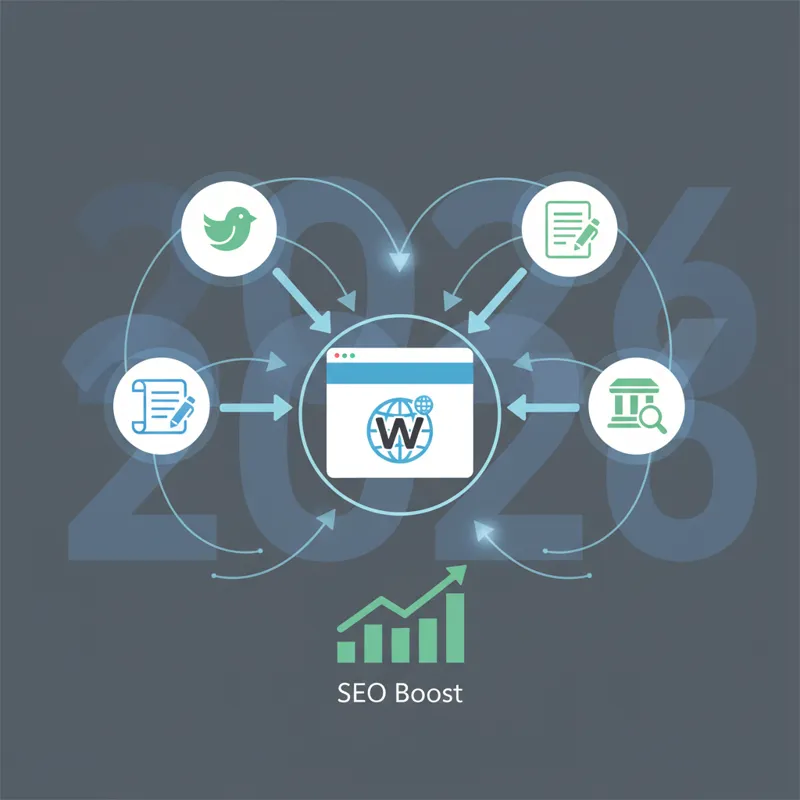
Even in 2026, the fundamental principle behind backlinks hasn’t changed: they act as “votes of confidence” from one website to another. Google’s algorithms still interpret a link from a reputable site to yours as an indication of your content’s trustworthiness, authority, and relevance. What has evolved significantly is the algorithm’s sophistication in evaluating the quality and context of those links.
The Evolving Landscape of Link Building
Gone are the days when simply accumulating a large number of links, regardless of their source, would boost your rankings. Modern search engines are exceptionally adept at discerning between genuinely earned, editorial links and those that are artificially generated or manipulative. This means that a free SEO backlinks list must focus on sources that offer real value and relevance, aligning with Google’s emphasis on helpful, people-first content.
Quality Over Quantity
For any website, particularly those targeting the competitive United States market, a handful of high-quality, relevant backlinks from authoritative sources will always outperform hundreds of low-quality, spammy links. The latter can, in fact, harm your site’s SEO, potentially leading to manual actions or algorithmic devaluations. When considering any free backlink opportunity, always ask:
-
- Is this website relevant to my niche?
- Does this website have a good reputation and authority?
- Will a link from this site genuinely benefit its users by pointing them to my content?
If the answer to any of these is no, it’s likely not a worthwhile pursuit.
The Best Types of Free Backlinks to Pursue
An infographic showcasing different categories of free backlink types, such as “Directory Submissions,” “Community Engagement,” “Resource Pages,” “Guest Posts,” and “Social Profiles,” each with a small illustrative icon. The design should be informative and easy to read.
Building a comprehensive free SEO backlinks list requires a multi-faceted approach. While some methods require more effort than others, they all share the common thread of providing legitimate value.
Directory Submissions (with caveats)
In 2026, general web directories are largely obsolete and often harmful. However, niche-specific, high-quality directories can still provide relevant citation and local SEO value. Think about directories for specific industries, local business directories (like Yelp, Yellow Pages, or your local Chamber of Commerce), or professional association listings.
Actionable Tip: Prioritize directories that are actively managed, have a clear editorial process, and are highly relevant to your business or industry. For local businesses, ensuring consistent Name, Address, Phone (NAP) information across all directories is crucial for local search ranking. A good starting point might be looking for established business directories curated by recognized institutions or industry bodies. For example, the U. S. Small Business Administration often lists helpful resources and local support networks that might include reputable directories.
Citation Building
This is particularly vital for local businesses. Citations are mentions of your business’s NAP on other websites, even if they don’t include a direct hyperlink. Think about review sites, local business listings, and online maps. While not all are direct backlinks, they build consistency and trust for local search.
Forum and Community Engagement
Actively participating in online forums, Reddit communities, or specialized Q&A sites relevant to your niche can yield valuable backlinks. The key here is genuine engagement.
Actionable Tip: Provide thoughtful, helpful answers and insights. Only link to your content when it genuinely adds value to the conversation and answers a specific question. Spamming forums with self-promotional links will get you banned and can hurt your brand reputation. Look for communities where your expertise can shine. For instance, if you operate in the tech space, contributing meaningfully to discussions on platforms like Stack Overflow or specific subreddits can be beneficial.
Commenting on Relevant Blogs (Strategically)
Blog comments often provide “nofollow” links, which technically don’t pass direct link equity. However, they can still drive referral traffic, build brand visibility, and potentially lead to relationships that result in dofollow links.
Actionable Tip: Leave insightful, value-adding comments on high-authority blogs within your niche. Use your real name and website URL in the comment form. Avoid generic comments like “Great post!” Focus on adding to the discussion, sparking further conversation, or sharing a relevant, legitimate perspective.
Social Media Profiles & Bio Links
While most social media links are “nofollow,” they are still an essential part of a diverse backlink profile. They drive traffic, build brand awareness, and can lead to natural mentions and shares, which indirectly signal authority.
Actionable Tip: Ensure your website link is present in your bio on all relevant social media platforms (LinkedIn, X, Facebook, Instagram, Pinterest, etc.). Keep your profiles active and share valuable content.
Guest Posting (Finding Free Opportunities)
Guest posting involves writing an article for another website in your industry. While many high-tier sites now charge for guest posts, plenty of mid-tier and smaller niche blogs are still open to free guest contributions, especially if your content is exceptional.
Actionable Tip: Research blogs that accept guest posts. Look for sites with an audience similar to yours and a decent domain authority. Pitch unique, well-researched ideas that align with their content. Focus on providing immense value to their readers, and you’ll often earn a valuable dofollow link back to your site in your author bio or within the content. This is one of the most effective ways to earn best backlinks.
Broken Link Building (Free Method, but Requires Effort)
This advanced strategy involves finding broken links on authoritative websites. When you find one, you create relevant content on your site that could replace the broken resource, then reach out to the website owner suggesting your content as a fix.
Actionable Tip: Use tools like Ahrefs (paid, but trials exist), SEMrush (paid, but free tools have limits), or free browser extensions to check for broken links on reputable sites in your niche. When you find a broken link, craft superior content on your site covering the same topic. Then, politely email the webmaster, inform them of the broken link, and offer your new resource as a helpful replacement. This can be a highly effective way to earn strong, editorial links for your free SEO backlinks list.
Resource Page Link Building
Many websites maintain “resource” or “links” pages that compile helpful external links for their audience. If you have a high-quality, valuable piece of content that could be a useful resource for such a page, you can reach out and suggest it.
Actionable Tip: Search Google for terms like “your niche” + “resources,” “your niche” + “helpful links,” or “your niche” + “recommended sites.” Identify pages that list external resources. If your content genuinely adds value to their list, contact the webmaster with a polite suggestion.
Curating Your Own Free SEO Backlinks List (Actionable Steps)

A person sitting at a desk, looking at a computer screen filled with open tabs and spreadsheets, representing research and organization for a backlink strategy. A coffee cup and a notepad are nearby. The scene is clean and focused.
Building a personal, effective free SEO backlinks list isn’t about aimlessly chasing every opportunity. It’s about strategic research and targeted outreach.
Step 1: Identify Your Niche’s Hubs
Start by listing the top 10-20 most authoritative and influential websites, blogs, and online communities in your industry. These are the sites that Google already trusts, and they are often the ones linking to other relevant, high-quality resources. Analyze their backlink profiles (using tools like SEMrush, Ahrefs, or Moz Link Explorer if you have access to paid versions, or their free trial offerings). This can give you insights into where they are getting links and, more importantly, where they are giving them.
Step 2: Leverage Competitive Analysis (Free Tools)
You can gain a significant advantage by analyzing your competitors’ backlinks. Many free backlink checkers offer limited but valuable insights into where your competitors are getting their links.
Actionable Tip: Plug in your top competitors’ URLs into free backlink analysis tools. Look for common themes:
-
- Are they listed in specific directories?
- Do they have guest posts on certain blogs?
- Are they mentioned in specific industry publications or resource pages?
This “reconnaissance” can quickly build out a preliminary free SEO backlinks list of relevant opportunities.
Step 3: Prioritize Relevance and Domain Authority
Not all free backlinks are created equal. Once you’ve compiled a potential list, prioritize sites based on:
-
- Relevance: Is the site directly related to your niche or target audience? A link from a highly relevant site is far more valuable than one from an unrelated, even high-authority, site.
- Domain Authority (DA) / Domain Rating (DR): While these are third-party metrics and not Google’s direct ranking factors, they provide a useful proxy for a site’s overall strength and influence. Aim for sites with a decent DA/DR, typically 30+.
- Traffic: Does the site receive actual organic traffic? A link from a site with real visitors can send valuable referral traffic your way, regardless of direct SEO value.
What Most People Get Wrong When Chasing Free Backlinks
While the idea of a free SEO backlinks list is appealing, many individuals and businesses fall into common traps that can negate their efforts or even harm their site.
Chasing Low-Quality, Spammy Sites
The biggest mistake is prioritizing quantity over quality. Submitting your site to hundreds of irrelevant, low-authority, or spammy directories and link farms can lead to a Google penalty. These sites often exist purely to sell links or provide automated submissions, and Google’s algorithms are designed to devalue or ignore them. Avoid anything that feels “too easy” or promises hundreds of links instantly.
Ignoring Nofollow Tags
While dofollow links pass “link juice” directly, nofollow links still have value. They can drive referral traffic, increase brand mentions, and contribute to a natural backlink profile. However, some people waste too much time trying to convert every nofollow link into a dofollow one, or they dismiss nofollow opportunities entirely. A healthy link profile includes a mix of both. Wikipedia, for example, uses nofollow links, but securing a mention there can still drive significant traffic and brand visibility.
Over-optimization and Anchor Text Abuse
Stuffing your anchor text with exact-match keywords for every backlink is a red flag for search engines. A natural backlink profile will have diverse anchor text, including brand mentions, naked URLs, generic phrases (e.g., “click here,” “read more”), and partial-match keywords. Over-optimizing anchor text can trigger spam filters.
Forgetting the User Experience
Every link should, ideally, serve a purpose for the user. If a link doesn’t make sense in context or leads to irrelevant content, it detracts from the user experience. Google prioritizes user experience, and links that don’t enhance it are less likely to be valued, even if they’re technically “dofollow.” When creating a backlink campaign, always think about the user’s journey.
Best Practices for Securing and Managing Your Free Backlinks
Successfully leveraging a free SEO backlinks list requires ongoing effort and a commitment to ethical practices.
Diversify Your Backlink Profile
Aim for a variety of link types from different sources. Don’t rely solely on one method (e.g., only guest posting or only directory submissions). A natural profile will include links from blogs, social media, forums, directories, resource pages, and potentially news outlets or academic sites if relevant. This diversification signals a natural earning process to search engines. It’s an integral part of any best link building strategy.
Monitor Your Backlinks Regularly
Keep an eye on the links pointing to your site. Use Google Search Console to check for new links and identify any potentially harmful ones. Free tools offer some basic monitoring capabilities.
Actionable Tip: Regularly review your backlink profile. Look for sudden spikes in low-quality links, links from irrelevant countries, or links from sites engaged in spam. If you spot anything suspicious, address it promptly.
Disavow Harmful Links
If you find manipulative or spammy backlinks pointing to your site that you can’t get removed, use Google’s Disavow Tool. This tells Google to ignore those links when evaluating your site. This should be a last resort, used only for clearly harmful links that you believe are impacting your site negatively. Be cautious, as incorrect use can also harm your SEO. Learn more about Google’s guidelines on unnatural links directly from Google.
Focus on Creating Linkable Assets
The easiest way to earn free backlinks naturally is to create truly exceptional content that others want to link to. This includes:
-
- In-depth guides and ultimate resources
- Original research and data studies
- Helpful tools, calculators, or interactive content
- Engaging infographics and visual content
When you have outstanding content, the process of acquiring links becomes much easier and more organic. This is a crucial element for anyone looking into link building blog strategies.
Frequently Asked Questions About Free SEO Backlinks
Here are some common questions people have when exploring a free SEO backlinks list.
Are free backlinks still effective in 2026?
Yes, absolutely, but with a critical caveat: they must be high-quality, relevant, and naturally earned. The effectiveness comes from the context and authority of the linking site, not just the mere presence of a link. Spammy or low-quality free backlinks are not effective and can be detrimental.
How quickly can I see results from free backlinks?
SEO is a long-term strategy, and backlink building is no exception. While individual links might provide a small, immediate bump, significant results, such as noticeable ranking improvements, typically take weeks to months. It’s about cumulative effort and building a strong, diverse backlink profile over time.
Can I get a Google penalty for free backlinks?
You can get a Google penalty if your free backlinks are manipulative, low-quality, or acquired through schemes designed to artificially inflate your rankings. This includes participating in link farms, excessive directory submissions to irrelevant sites, or buying cheap, low-quality links. Sticking to the white-hat strategies outlined in this article significantly reduces this risk.
What’s the difference between dofollow and nofollow?
A “dofollow” link is a standard hyperlink that search engines follow and pass “link equity” or “link juice” from the source site to the destination site. A “nofollow” link includes a specific HTML attribute (rel=”nofollow”) that tells search engines not to pass this equity. While nofollow links don’t directly boost ranking signals, they can still drive traffic and brand awareness, contributing to a natural link profile. There are also newer attributes like rel=”sponsored” and rel=”ugc” for paid links and user-generated content, respectively.
How do I know if a site is good for a free backlink?
Look for relevance to your niche, strong domain authority (DA/DR of 30+ is a good baseline), genuine organic traffic, and a clean, professional appearance. Check their existing outbound links – do they link to other quality resources? Avoid sites with excessive ads, broken functionality, or clearly spammy content. The better the site looks and performs, the more valuable its link will likely be.
Final Thoughts on Building a Sustainable Free Backlink Strategy
The journey to building a strong backlink profile, especially when relying on free opportunities, is an ongoing marathon, not a sprint. In 2026, the emphasis remains firmly on quality, relevance, and naturalness. There’s no magic free SEO backlinks list that will instantly catapult you to the top of Google. Instead, success comes from a consistent, strategic effort to create exceptional content, engage genuinely with your community, and identify legitimate opportunities where your site can add real value to another. By focusing on these principles, you’ll not only acquire valuable backlinks but also build a more authoritative, trustworthy, and ultimately successful online presence.