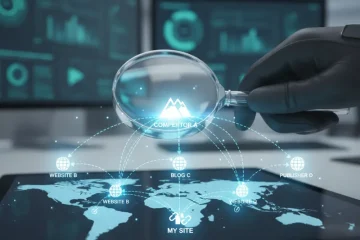
In 2026, the landscape of search engine optimization continues to evolve at a rapid pace, yet one constant remains: backlinks are a fundamental pillar of organic ranking success. But not all links are created equal. The days of simply accumulating vast quantities of links are long gone. Today, the focus isn’t just on getting links, but on securing the best backlinks – those high-quality, relevant, and authoritative endorsements that genuinely signal trustworthiness and expertise to search engines like Google. Understanding what constitutes a “best” backlink and how to acquire them ethically and effectively is more critical now than ever before for anyone serious about improving their online visibility. This guide will deep dive into the practical aspects of identifying, acquiring, and managing the kind of good backlinks for SEO that move the needle in the current digital climate.
What Exactly Makes a Backlink “Best” in 2026?

Defining the “best” backlinks in 2026 isn’t about chasing a single metric. It’s a holistic assessment of several intertwined factors that collectively signal genuine value and authority to search engines. These aren’t just technical signals; they reflect real-world credibility and user experience.
Relevance: The Undisputed King
At the top of the list is relevance. A link from a website that is topically aligned with yours carries significantly more weight than one from an unrelated niche. Think about it from Google’s perspective: if a renowned tech blog links to your article about AI software, it’s a strong endorsement of your authority in that space. If the same tech blog links to your recipe for sourdough bread, that link’s value for SEO purposes on the recipe page diminishes greatly, even if the tech blog itself is highly authoritative.
The best backlinks come from pages and domains that cover similar themes, industries, or user intents. A deep, contextual link within a paragraph discussing a related subject is far more powerful than a generic link from a “partners” page or a sidebar of an irrelevant site.
Authority & Trust Flow
Domain Authority (DA), Domain Rating (DR), or similar metrics from SEO tools offer a proxy for a website’s overall strength and influence. While these are third-party metrics and not directly Google’s, they correlate strongly with what Google values. A link from an established, reputable website with a long history, a clean link profile, and significant organic traffic is gold.
These sites have earned their trust and authority over years, accumulating their own high-quality backlinks. When such a site links to you, it passes a portion of that accumulated “trust flow” your way. It’s like a respected expert vouching for your work.
Natural Placement & Context
The placement of a backlink within the content is crucial. The most valuable links are editorial, meaning they are naturally embedded within the main body text of a relevant article, serving as a citation or further reading. They aren’t forced or appear in footers, sidebars, or comment sections purely for SEO purposes.
The anchor text—the clickable words that form the link—also plays a vital role. The best backlinks use varied, natural anchor text that often includes brand names, exact match keywords, partial match keywords, and generic phrases like “learn more” or “here.” Over-optimizing with exact-match keywords can look unnatural and potentially trigger a spam flag.
Uniqueness & Scarcity
A truly unique backlink is one that’s hard for competitors to replicate. If a major industry publication or an academic institution cites your research, that’s a unique and powerful endorsement. These aren’t links you can easily buy or acquire through templated outreach. They are earned through exceptional content, novel research, or genuine industry contributions.
The more unique and difficult a link is to obtain, the more value it likely holds. These links stand out in your backlink profile, differentiating your site from those relying on easier, lower-quality acquisition tactics.
The Shifting Landscape: What’s Changed About “Best Backlinks” by 2026?

A dynamic illustration showing a modern digital city skyline with gears and arrows indicating constant change, emphasizing the evolution of SEO and backlink strategies in 2026.
The core principles of link quality remain, but Google’s increasing sophistication, particularly with its Helpful Content System and various spam updates, refines what “best” truly means. In 2026, the emphasis is heavily on genuine utility and human-centric content.
We’ve seen Google explicitly state that “unnatural links” and “link schemes” are against their guidelines. This isn’t new, but their ability to detect and devalue such practices has improved dramatically. AI-generated content also poses a challenge; if a linking site relies heavily on low-quality, AI-spun articles, its endorsement of your site might carry less weight, or worse, be seen as part of a low-quality network.
The “best backlinks” are increasingly those that not only pass authority but also drive relevant referral traffic and contribute to a positive user experience. A link from a real user on a real blog who genuinely found your content useful is invaluable.
Identifying High-Quality Link Opportunities
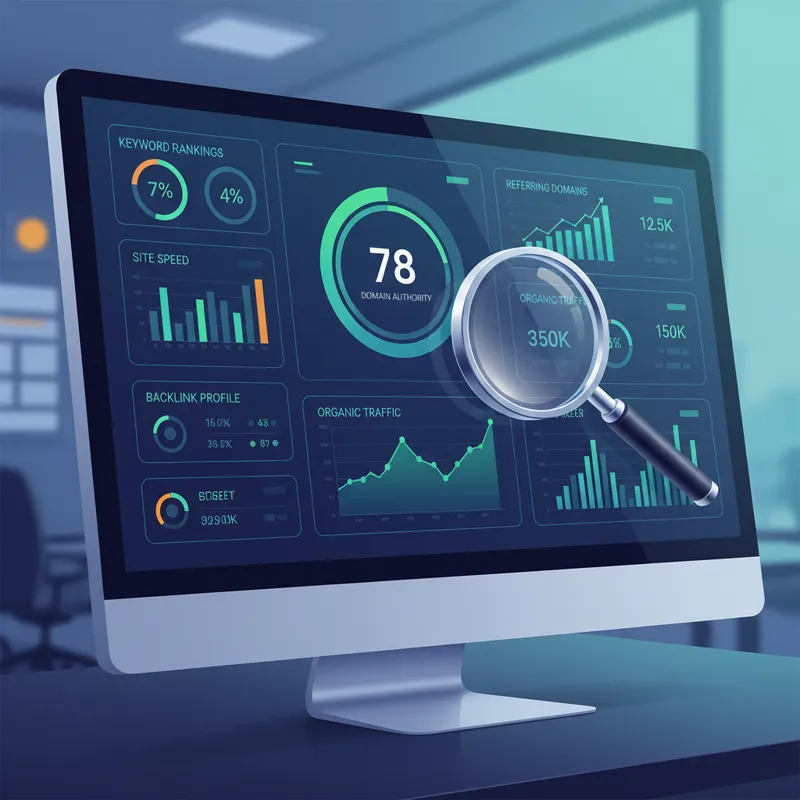
A digital dashboard displaying various SEO metrics like domain authority, referring domains, and organic traffic, with a magnifying glass hovering over specific data points to signify opportunity identification.
Acquiring the best backlinks isn’t a passive activity; it requires proactive strategy and diligent effort. It involves a mix of analytical insight and creative outreach.
Analyzing Competitor Backlinks
One of the most effective starting points is to analyze who is linking to your competitors. Tools like Ahrefs, Semrush, or Moz allow you to see the backlink profiles of leading sites in your niche. This isn’t about copying, but understanding the types of sites that are willing to link to your industry. You can identify patterns: Are they industry blogs, news sites, resource pages, educational institutions, or local businesses?
When you find competitor backlinks, don’t just look at their domain rating. Examine the context of the link. Why did that site link to your competitor? Was it for a specific statistic, a unique tool, an ultimate guide, or a collaboration? This insight helps you understand the value proposition you need to offer.
Content-Led Link Building
Creating truly exceptional, valuable content is the cornerstone of earning the best backlinks. If you produce content that is:
-
- Data-rich and original research: Studies, surveys, or unique data analyses.
- Comprehensive guides: “Ultimate guides” that cover a topic more thoroughly than anyone else.
- Innovative tools or resources: Free calculators, templates, or interactive maps.
- Unique perspectives or expert interviews: Insights that can’t be found elsewhere.
…then you provide a genuine reason for other sites to link to you. People naturally cite authoritative sources. This is a form of best link building that focuses on attraction rather than pure outreach.
Relationship Building & Outreach
Direct outreach, when done correctly, can be highly effective. This isn’t about sending templated emails asking for a link. It’s about building genuine relationships.
-
- Resource Page Outreach: Find relevant resource pages in your niche and suggest your valuable content as an addition.
- Broken Link Building: Identify broken links on authoritative websites, then offer your content as a replacement.
- Guest Posting (Ethical): Offer to write a high-quality, valuable article for a relevant site. The link back to your site should be natural and contextual, not forced or excessive.
- HARO (Help a Reporter Out): Respond to journalist queries with expert insights. If your answer is used, you’ll often get a citation and a backlink from a high-authority news site.
Personalization is key. Demonstrate that you’ve read their content, understand their audience, and genuinely believe your content adds value to their readers.
What Most People Get Wrong About Backlinks in 2026
Despite the clarity Google offers, several misconceptions persist, leading many to waste resources or even harm their SEO efforts.
One of the biggest mistakes is focusing on quantity over quality. Many still believe that more links, regardless of their source, are better. This simply isn’t true anymore. A handful of truly relevant, high-authority links can outperform hundreds of low-quality, spammy ones.
Another common error is believing all “dofollow” links are good. While “dofollow” links technically pass “link juice,” if they come from a low-quality, irrelevant, or penalized site, they can be detrimental. Google’s algorithms are sophisticated enough to understand the context and quality of the linking domain, regardless of the HTML attribute.
People also often ignore the power of internal linking. While not external backlinks, a strong internal linking structure helps Google understand your site’s architecture, distributes authority across your pages, and improves user navigation. It’s a foundational element often overlooked in the pursuit of external links.
Finally, chasing specific metrics like a high Domain Authority (DA) number blindly is a pitfall. While DA is a useful indicator, it’s a third-party metric. Focus on actual relevance, organic traffic of the linking site, and natural editorial placement rather than just a number. A low DA site can still provide a valuable, relevant link if it’s genuinely part of your niche and growing.
The Best Backlinks Are Penalty-Proof: A Focus on White-Hat Strategies
In 2026, the goal isn’t just to get links, but to acquire links that will withstand future algorithm updates and contribute positively to your long-term SEO health. This means a strict adherence to white-hat, ethical link building strategies.
Google’s stance on unnatural links is clear: “Any links intended to manipulate PageRank or a site’s ranking in Google search results may be considered part of a link scheme and a violation of Google’s Webmaster Guidelines.” This includes buying or selling links that pass PageRank, excessive link exchanges, or using automated programs to create links. The best backlinks are earned, not bought or manipulated.
Avoiding Common Pitfalls
-
- Link Farms & PBNs: These networks of low-quality, often irrelevant sites designed solely to pass links are highly detectable and carry severe penalties. Steer clear.
- Irrelevant Directories: While some niche directories can be useful for local SEO, most general, low-quality web directories offer no real SEO value and can even be harmful.
- Comment Spam: Leaving irrelevant comments with keyword-rich links on blogs is an outdated and ineffective tactic. Most comments are nofollowed anyway, and it reflects poorly on your brand.
The fundamental principle is simple: if a link doesn’t genuinely serve a user or add value to the web, it’s likely not a good link in Google’s eyes.
Building a Natural Backlink Profile
A healthy, penalty-proof backlink profile is diverse and appears naturally acquired. This means a mix of:
-
- Editorial Links: Contextual links from articles.
- Brand Mentions: Links or unlinked mentions of your brand.
- Resource Links: From curated resource pages.
- Guest Post Links: Carefully chosen and naturally integrated.
The anchor text should also be varied, including branded anchors, naked URLs, generic phrases, and only a natural sprinkling of exact-match keywords. This mimics how natural backlinks ideas spread across the web.
Finally, the pace of acquisition should be gradual. A sudden spike of thousands of links can look suspicious. Consistent, quality link building over time builds a robust and trustworthy profile.
Tools and Resources for Effective Link Building in 2026
While the strategy is paramount, good tools can significantly streamline the process of identifying, analyzing, and acquiring the best backlinks.
-
- SEO Suites (Ahrefs, Semrush, Moz): These are indispensable for competitive analysis, keyword research, site audits, and tracking your backlink profile. They provide metrics like Domain Rating/Authority, number of referring domains, and identify specific linking opportunities.
- Hunter.io / Clearbit Connect: For finding email addresses of website owners, editors, or content managers for outreach efforts.
- Google Search Console: Your direct line to Google. It shows you how Google sees your site, including linking sites (though not exhaustively) and any manual actions or security issues.
- BuzzSumo / Exploding Topics: For identifying trending content and popular topics in your niche, which can inspire linkable asset creation.
- Feedly / Google Alerts: To monitor brand mentions, competitor activity, and new content in your industry, providing opportunities for outreach or content updates.
These tools, when used intelligently, provide the data and means to execute a sophisticated link building strategy. Remember, the tool itself doesn’t build the link; your strategy and effort do.
Measuring Success: How to Track Your Best Backlinks’ Impact
Acquiring backlinks is only half the battle; the other half is understanding their impact. Effective measurement ensures your efforts are yielding the desired results and helps you refine your strategy.
-
- Ranking Improvements: The most direct measure. Track keyword rankings for target pages before and after acquiring significant backlinks. Look for sustained improvements, especially for competitive terms.
- Organic Traffic Growth: Increased visibility often translates to more organic traffic. Monitor your Google Analytics (or similar) to see if traffic to specific pages or your entire site is growing from organic search.
- Referring Domains & Link Quality Metrics: Track the growth in the number of unique referring domains and their quality (DA/DR, relevance) using SEO tools. This indicates the health and expansion of your backlink profile.
- Brand Visibility & Mentions: Beyond direct links, observe if your brand is getting more mentions (linked or unlinked) across the web. This signifies growing authority and recognition.
- Page Authority Growth: While not a Google metric, tools like Moz’s Page Authority can give you an idea of how individual page strength is increasing due to earned links.
It’s important to remember that SEO is a long game. The impact of the best backlinks isn’t always immediate, but consistent, quality efforts will show cumulative results over time.
Frequently Asked Questions
How many backlinks do I need to rank?
There’s no magic number. It’s about quality, not quantity. One highly relevant, authoritative link can be worth hundreds of low-quality ones. Focus on acquiring the best backlinks from diverse, reputable sources rather than chasing a specific count. The optimal number varies greatly by industry, keyword competition, and your existing authority.
Do “nofollow” links matter?
Yes, they absolutely do. While “nofollow” links typically don’t pass PageRank, they still provide referral traffic, brand exposure, and can contribute to a natural backlink profile. Google has also stated that they might treat “nofollow” as a hint, not a directive, meaning they could choose to follow it anyway. A healthy backlink profile includes a mix of “dofollow” and “nofollow” links.
How long does it take for backlinks to work?
The impact of backlinks isn’t instant. It can take weeks or even months for Google to discover new links, crawl the pages, process the signals, and adjust rankings. Factors like the authority of the linking site, the speed of Google’s crawl, and the overall competitiveness of your niche all play a role. Patience and consistency are crucial.
Can I buy best backlinks?
Google strictly prohibits buying or selling links that pass PageRank. Doing so can lead to severe penalties, including manual actions against your site. While some agencies offer “link building services,” ensure they are focused on ethical, white-hat strategies like content creation, outreach, and relationship building, not direct link buying.
What about old backlinks? Do they still matter?
Yes, old backlinks, especially those from established, authoritative sites, continue to matter. The age of a link can sometimes even be seen as a positive signal, indicating sustained relevance and authority. However, if old backlinks are from sites that have since become spammy or irrelevant, their value can diminish, or they might even become detrimental. Regularly auditing your backlink profile is a good practice.
In 2026, the pursuit of the best backlinks is intrinsically linked to creating genuine value. It’s about earning editorial mentions because your content is genuinely useful, authoritative, and unique. Focus on relevance, trust, and natural acquisition, and you’ll build a robust backlink profile that not only stands the test of time but also drives sustainable organic growth.