

A backlink profile represents the complete collection of all incoming hyperlinks pointing to a specific website. Think of it as a digital résumé for your domain, detailing not just how many endorsements you have, but also who is endorsing you, the context of those endorsements, and the perceived quality of those sources. In the increasingly sophisticated landscape of search engine optimization (SEO) in 2026, understanding what constitutes a robust and healthy backlink profile is foundational for any business aiming for organic visibility and authority. It’s far more intricate than a simple tally; it’s a complex ecosystem of connections that Google and other search engines analyze to determine your site’s credibility, relevance, and ultimately, its ranking potential.
What Exactly is a Backlink Profile?
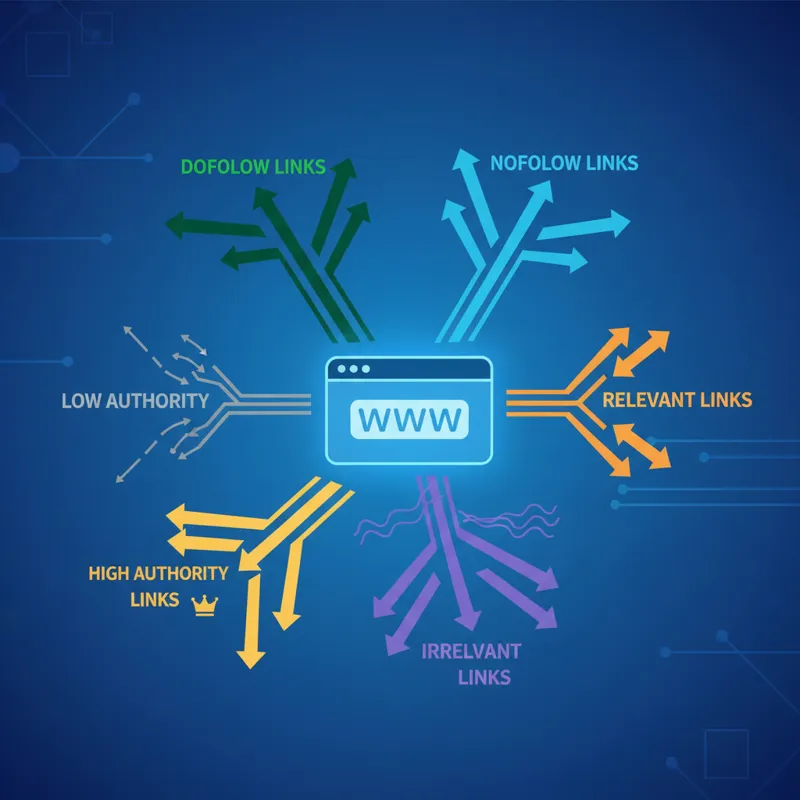
At its core, a backlink profile is a comprehensive inventory of every external link that directs traffic to your website. Each of these links, often called “backlinks” or “inbound links,” acts as a vote of confidence from another website to yours. Search engines like Google interpret these votes as indicators of authority and trustworthiness. When a reputable site links to your content, it essentially tells Google, “Hey, this source is valuable and relevant.”
However, not all votes are created equal. A complete backlink profile encompasses a range of attributes for each link, including:
-
- The linking domain: Who is linking to you? Is it an established industry leader or a brand new blog with low authority?
- The anchor text: What words are used to create the hyperlink? Is it relevant to the linked page’s content?
- The surrounding content: Is the link placed naturally within relevant text, or does it seem forced and out of place?
- The link type: Is it a “dofollow” link (which passes authority) or a “nofollow,” “ugc,” or “sponsored” link (which typically don’t pass direct authority, but still indicate a mention)?
- The overall quantity: How many unique links and unique domains point to your site?
- The quality and relevance: How authoritative and thematically similar is the linking website to yours?
Understanding these elements is crucial because a strong backlink profile is a direct signal to search engines that your site provides valuable content worthy of ranking. It’s not just about accumulating links; it’s about curating a collection of good backlinks for SEO that genuinely enhance your site’s perceived authority and relevance within your niche. This meticulous evaluation helps search engines combat spam and reward genuine, helpful content.
Why Your Backlink Profile Matters in 2026
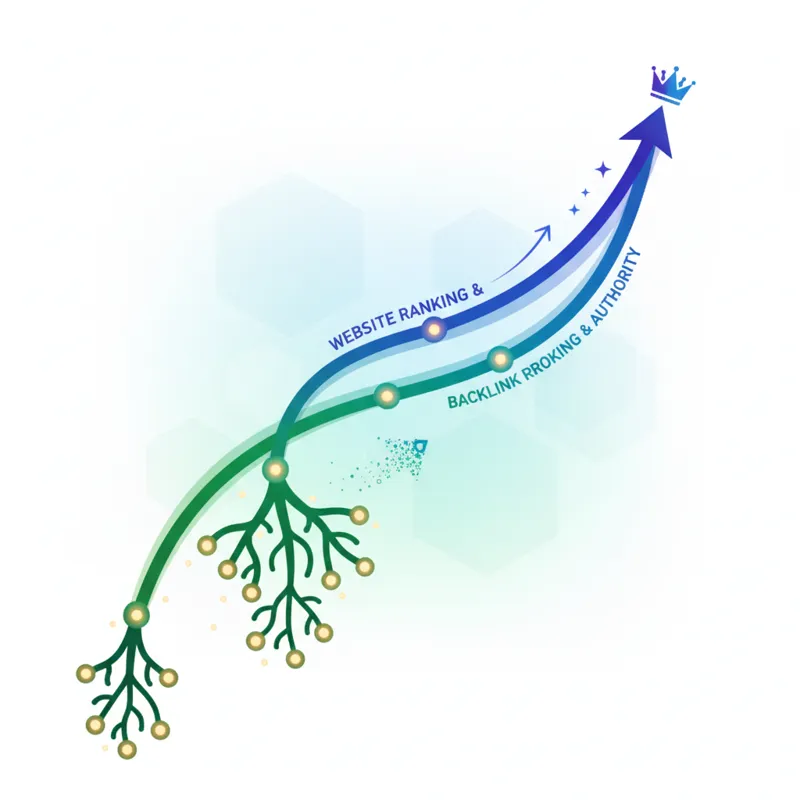
A stylized chart showing an upward trend in website ranking and authority, directly correlated with the health and quality of a backlink profile. Illustrates how a strong backlink profile contributes to higher search engine visibility.
Even in 2026, with all the advancements in AI and semantic search, backlinks remain a cornerstone of search engine ranking algorithms. Google has consistently affirmed their importance, with high-quality backlinks serving as a critical indicator of a page’s expertise, authoritativeness, and trustworthiness (E-E-A-T). For businesses, this translates directly into several critical benefits:
-
- Improved Search Rankings: Websites with stronger, more relevant backlink profiles tend to rank higher in search engine results pages (SERPs) for their target keywords. Each quality backlink is a signal of trust, pushing your content closer to the top.
- Increased Organic Traffic: Higher rankings lead to greater visibility, which naturally drives more organic traffic to your site. People searching for solutions or information in your niche are more likely to find you.
- Enhanced Domain Authority/Rating: Search engines assign an authority score (though not directly visible, many SEO tools provide their own proxies like Domain Authority or Domain Rating) to websites. A robust backlink profile significantly boosts this score, signaling to Google that your site is a trusted source.
- Faster Indexing: Search engine crawlers discover new pages and content more efficiently through existing links. A healthy backlink profile ensures your new content gets found and indexed quickly, allowing it to start ranking sooner.
- Referral Traffic: Beyond SEO benefits, backlinks can also drive direct referral traffic. When users on a linking site click on your link, they are directly introduced to your content, potentially leading to new customers or readers.
- Brand Visibility and Credibility: Being linked to by reputable sources naturally increases your brand’s exposure and perception as an authority within your industry. It’s like being mentioned or cited by respected publications.
Ignoring your backlink profile in 2026 isn’t an option for competitive online businesses. It’s an active, ongoing process that underpins your entire organic search strategy.
Key Components of a Strong Backlink Profile
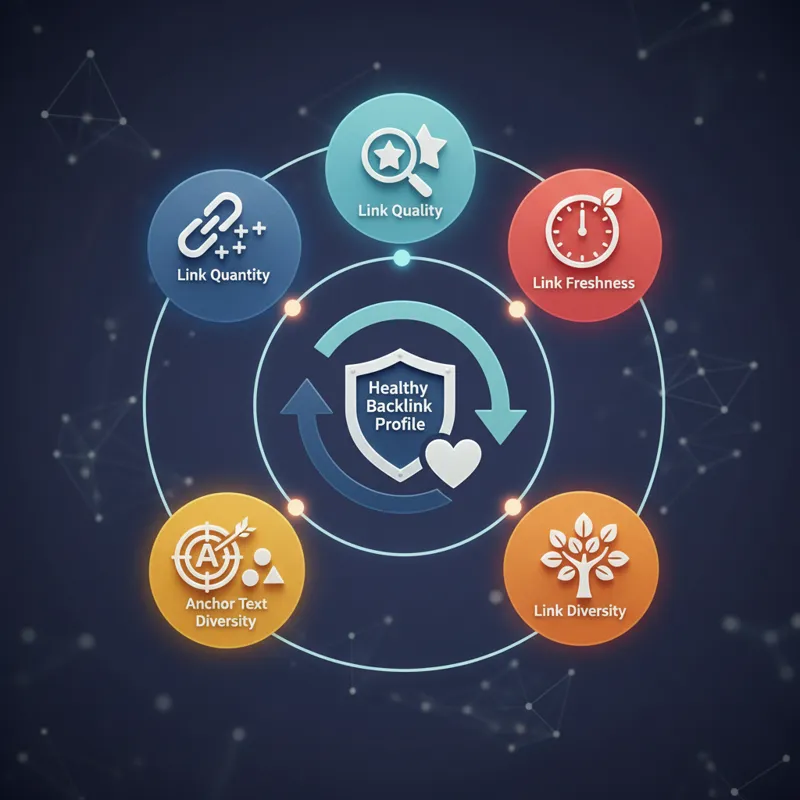
A circular diagram showing interconnected elements: Link Quantity, Link Quality, Link Relevance, Anchor Text Diversity, Link Diversity, and Link Freshness. Each element has a brief explanatory icon or text, emphasizing their collective importance for a healthy backlink profile.
Building a powerful backlink profile involves understanding and actively managing its various components. Neglecting any one of these can dilute the effectiveness of your overall link-building efforts.
Link Quantity: The Raw Count
Initially, it might seem like more links are always better. While having a substantial number of links from unique domains is generally beneficial, the sheer count is far less important than the quality and relevance of those links. A site with 100 high-quality, relevant backlinks from diverse domains often outperforms a site with 1,000 low-quality, spammy links. It’s a baseline indicator, but not the primary driver of success. You can readily track how many backlinks does a site have using various SEO tools to keep an eye on this metric.
Link Quality: More Than Just Numbers
This is arguably the most critical factor. A high-quality backlink comes from a website that is:
-
- Authoritative: The linking domain itself has a strong backlink profile, ranks well, and is generally trusted by search engines. Sites like government institutions (.gov), educational bodies (.edu), and established news outlets or industry leaders are prime examples.
- Trustworthy: It publishes credible content and isn’t engaged in manipulative SEO practices.
- Secure: The site uses HTTPS, which is standard for security and a basic trust signal.
- Well-maintained: The site has good user experience, isn’t riddled with broken links, and updates its content regularly.
One quality link from a highly authoritative site can carry more weight than hundreds of low-quality links.
Link Relevance: Context is King
Relevance means the linking website’s topic or industry aligns with yours. If you sell organic pet food, a link from a veterinarian’s blog or a reputable pet care forum is incredibly relevant. A link from an unrelated website, say, a car repair shop, would carry significantly less weight, even if the car shop had high authority, because the contextual relevance is missing. Search engines are highly sophisticated in 2026, understanding not just keywords but also the semantic relationship between topics.
Anchor Text Diversity: Naturalness Prevails
Anchor text is the clickable text that contains the hyperlink. Historically, exact-match anchor text (e.g., linking “best running shoes” to a page about best running shoes) was highly sought after. However, over-optimizing anchor text can now signal manipulation to search engines. A healthy backlink profile features diverse anchor text, including:
-
- Branded: Your brand name (e.g., “RankWeb”).
- Naked URL: The raw URL (e.g., “https://www.rankweb.net”).
- Generic: “Click here,” “read more,” “this article.”
- Partial Match: Contains your keyword plus other words (e.g., “learn more about our SEO services”).
- Exact Match: Used sparingly and naturally.
The key is to make anchor text look natural and conversational.
Link Diversity: Domains and Types
A diverse backlink profile means you’re acquiring links from a variety of unique domains, not just repeatedly from the same few sites. It also means a mix of different types of links:
-
- Editorial Links: Links naturally earned within the content of an article or blog post, considered the most valuable.
- Resource Links: Links from resource pages or directories that list useful tools or information.
- Forum Links: Links from reputable forums (often nofollow, but still provide referral traffic and brand mentions).
- Guest Post Links: Links acquired through publishing content on other sites (ensure these are high quality and relevant).
Avoid over-reliance on a single type or source of links. A natural profile has a mix.
Link Freshness and Velocity: Ongoing Growth
Search engines prefer to see a steady, natural influx of new backlinks over time, rather than a sudden spike followed by dormancy. This “link velocity” indicates that your site is continually producing valuable content that others want to reference. A static or decaying backlink profile, especially if it loses links, can signal a decline in relevance or quality. Consistent, healthy link acquisition is part of an effective best link building strategy.
Analyzing Your Backlink Profile: Essential Metrics
To effectively manage and improve your backlink profile, you need to analyze it regularly. Various SEO tools (like Ahrefs, Semrush, Moz, Majestic) offer comprehensive backlink analysis features. Here are the essential metrics you’ll typically monitor:
Domain Authority (DA) / Domain Rating (DR)
These proprietary metrics from Moz (DA) and Ahrefs (DR) estimate the strength of a website’s overall backlink profile and its likelihood to rank. Higher scores (typically on a 0-100 scale) indicate stronger authority. When evaluating potential link sources, always check their DA/DR.
Referring Domains vs. Total Backlinks
-
- Referring Domains: This is the number of unique websites linking to your site. This metric is far more important than the total number of backlinks. 100 links from 100 different websites are generally much better than 100 links all from one website.
- Total Backlinks: The absolute count of all links, including multiple links from the same domain.
A healthy profile shows a good ratio of total backlinks to referring domains, indicating links from a broad range of sources. For deeper insights into your competitors, you’ll also want to find competitor backlinks to benchmark your progress.
Spam Score / Toxic Links
Most SEO tools identify “toxic” or “spammy” links – those coming from low-quality, irrelevant, or clearly manipulative websites. These links can harm your rankings and even trigger manual penalties from Google. Monitoring your spam score and regularly disavowing toxic links (telling Google to ignore them) is a critical maintenance task.
Link Velocity
This metric tracks the rate at which your website gains or loses backlinks over a specific period. A natural link velocity shows a steady, gradual increase, with occasional spikes for major content pieces or PR efforts. Drastic, unnatural spikes or sudden drops can signal issues.
Link Equity Distribution
This refers to how “link juice” or authority flows through your site. Are your most important pages receiving the strongest links? A strong backlink profile often distributes equity to key landing pages, service pages, and evergreen content. Furthermore, understanding the impact of your own outbound links SEO is part of a holistic strategy, as they can also signal relevance.
The Difference Between Good and Bad Backlinks
Understanding this distinction is fundamental to SEO. Pursuing bad backlinks can actively harm your site, while good backlinks are essential for growth.
Good Backlinks (Valuable)
-
- From Authoritative & Relevant Websites: Sites that are trusted, popular within their niche, and thematically related to your content.
- Natural Placement: Embedded within high-quality, relevant content that genuinely adds value to the reader.
- Diverse Anchor Text: Uses a variety of anchor texts (branded, URL, generic, partial-match, exact-match sparingly).
- Dofollow: Passes “link juice” or authority to your site.
- Organic Acquisition: Earned through creating valuable content that others naturally want to link to, or through legitimate outreach.
- High Traffic Potential: Comes from a site that genuinely receives traffic, indicating a real audience.
Bad Backlinks (Toxic or Harmful)
-
- From Low-Quality or Irrelevant Websites: Sites with low authority, spammy content, irrelevant themes, or those part of private blog networks (PBNs).
- Unnatural Placement: Found in footers, sidebars across entire sites, comment spam, or forums with no relevant context.
- Over-optimized Anchor Text: Too many exact-match keywords, appearing manipulative.
- Paid or Manipulative: Links that were explicitly bought for the purpose of passing PageRank (violates Google’s guidelines) or acquired through spammy tactics.
- Sitewide Links: Links appearing on every page of another website without specific relevance.
- From Link Farms or Directories: Websites solely created to host links without providing real value.
Focusing on acquiring good backlinks is the only sustainable strategy for long-term SEO success.
What Most People Get Wrong About Backlink Profiles
Despite years of consistent guidance from search engines, several persistent misconceptions about backlink profiles continue to mislead website owners and marketers:
-
- It’s All About Quantity: This is perhaps the most common mistake. Many believe that simply accumulating thousands of links, regardless of their source, will boost rankings. The reality in 2026 is that a few high-quality, relevant links are exponentially more valuable than hundreds of low-quality, spammy ones. Google’s algorithms are highly adept at identifying and discounting manipulative link schemes.
- Buying Links Is a Shortcut: While tempting, explicitly paying for “dofollow” links intended to pass PageRank violates Google’s Webmaster Guidelines. Getting caught can lead to severe penalties, including manual actions that drastically tank your rankings. Focus on earning links through genuine value.
- Exact Match Anchor Text Is Best: Over-optimizing anchor text with your target keywords is a red flag for search engines. A natural backlink profile features diverse anchor text, as discussed earlier. Too much exact match indicates an attempt to manipulate rankings.
- All Nofollow Links Are Useless: While nofollow, UGC, and sponsored attributes traditionally tell search engines not to pass PageRank, these links are far from useless. They can still drive significant referral traffic, build brand awareness, and contribute to a natural-looking link profile. Google also uses them as hints, so they are not entirely ignored.
- You Can “Set It and Forget It”: A backlink profile isn’t static. You continuously gain and lose links, and the quality of existing links can change (e.g., a linking site might become spammy). Regular auditing and maintenance are essential to disavow toxic links, recover lost links, and identify new opportunities.
- Internal Links Don’t Matter as Much: While internal links aren’t part of your backlink profile (they’re not external), optimizing your internal linking structure is crucial for SEO. It helps distribute PageRank throughout your site, improves user navigation, and signals important content to search engines.
Understanding these pitfalls is the first step toward building a genuinely effective and sustainable backlink strategy.
Building a Healthier Backlink Profile (Without Spam)
The goal isn’t just to accumulate links, but to cultivate a robust, natural, and high-authority backlink profile. This is achieved through a variety of white-hat (ethical) link-building strategies:
-
- Create Exceptional Content: This is the foundation. Produce content that is genuinely valuable, unique, well-researched, and engaging. This could include in-depth guides, original research, compelling infographics, or interactive tools. High-quality content naturally attracts links because others want to reference it.
- Guest Post Strategically: Offer to write valuable content for other reputable websites in your industry. In return, you’ll usually get an author bio link back to your site. Focus on high-authority, relevant sites that provide a genuine benefit to their audience. This can also involve becoming a backlink blogger, where you consistently contribute valuable content across your niche.
- Broken Link Building: Find broken links on reputable websites, then reach out to the webmaster, inform them of the broken link, and suggest your relevant content as a replacement. It’s a win-win: you help them fix their site, and you get a link.
- Resource Page Outreach: Many websites curate lists of useful resources or tools. Identify these pages in your niche and pitch your relevant content or tool to be included.
- Digital PR and Media Outreach: Develop newsworthy content, conduct original research, or create unique data visualizations. Then, reach out to journalists, bloggers, and industry influencers who might be interested in covering your story or referencing your data. Major publications like Forbes often link to original sources when covering industry trends. For example, a recent Forbes article on sustainable business practices often cites original research from various companies or academic institutions.
- Competitor Analysis: Analyze the backlink profiles of your top-ranking competitors. Identify their strongest links and try to replicate those opportunities through similar outreach or content creation strategies. This is a core part of competitive backlinking.
- Reclaim Unlinked Mentions: Use monitoring tools to find instances where your brand or product is mentioned online without a link. Reach out to the site owner and politely ask them to convert the mention into a clickable link.
- Participate in Communities: Engage in relevant online forums, Q&A sites, and social media groups. Provide valuable answers and insights, and where appropriate and natural, include a link back to relevant content on your site (ensure it’s not spammy).
Building a robust backlink profile is a marathon, not a sprint. It requires patience, persistence, and a consistent focus on providing value.
Tools for Backlink Profile Analysis
Effectively managing your backlink profile in 2026 relies heavily on specialized SEO tools. These platforms crawl the web and aggregate vast amounts of link data, presenting it in an actionable format. Some of the leading tools include:
-
- Ahrefs: Widely regarded as one of the best for backlink analysis, Ahrefs offers comprehensive data on referring domains, anchor text, new/lost links, domain rating, and more. It also excels at competitor backlink analysis.
- Semrush: Another industry leader, Semrush provides robust backlink auditing, analysis, and outreach tools. Its “Backlink Audit” tool helps identify and manage toxic links.
- Moz Pro: Moz’s Link Explorer tool offers metrics like Domain Authority (DA) and Spam Score, along with detailed reports on incoming links, anchor text, and linking domains.
- Majestic SEO: Specializes heavily in link intelligence, providing unique metrics like Citation Flow and Trust Flow, which help gauge the quality and trustworthiness of a website’s link profile.
- Google Search Console: While not a dedicated backlink analysis tool, GSC provides valuable insights into the links Google discovers pointing to your site. It’s particularly useful for identifying manual actions and disavowing harmful links. For an official perspective on how Google views links, their SEO Starter Guide is an invaluable resource.
These tools are indispensable for regularly monitoring your backlink profile, identifying opportunities, and mitigating risks.
Frequently Asked Questions About Backlink Profiles
How quickly can a backlink profile impact SEO?
The impact isn’t instantaneous. High-quality backlinks generally take weeks to months to fully influence your search rankings. Google’s algorithms need time to recrawl, re-evaluate, and update their index. Building a strong backlink profile is a long-term strategy.
Can bad backlinks really harm my site?
Absolutely. Links from spammy sites, link farms, or those acquired through manipulative tactics can lead to de-ranking, penalties (algorithmic or manual) from Google, and a significant loss of organic traffic. Regularly auditing your backlink profile for toxic links is crucial.
What is a “disavow file” and when should I use it?
A disavow file is a text file you submit to Google Search Console to tell Google to ignore specific backlinks pointing to your site. You should use it if you’ve identified a significant number of toxic or unnatural links that you believe are negatively impacting your SEO, and you can’t get them removed manually. It’s a powerful tool but should be used carefully.
How often should I check my backlink profile?
For most businesses, checking your backlink profile monthly is a good practice. Larger sites or those actively engaged in aggressive link building might benefit from weekly or bi-weekly checks. The goal is to catch toxic links early and identify new opportunities consistently.
Is it possible to have a strong SEO presence without many backlinks?
It’s increasingly difficult, especially in competitive niches. While content quality, user experience, and technical SEO are vital, backlinks remain one of the top two or three ranking factors. You might rank for very specific, low-competition keywords without many links, but achieving broad visibility and authority usually requires a robust backlink profile. You can learn more about general SEO principles on Wikipedia’s Search Engine Optimization page.
Your backlink profile isn’t just a technical SEO metric; it’s a testament to your website’s value, trustworthiness, and authority on the internet. In 2026, investing in understanding, analyzing, and strategically building a healthy backlink profile is non-negotiable for anyone serious about achieving and maintaining strong organic search visibility. It requires a commitment to creating valuable content and fostering genuine connections across the web.


