
Navigating the ever-evolving landscape of SEO in 2026 means staying informed, and if you’re looking for effective link building techniques, finding a quality link building blog is often your first step. It’s easy to get lost in a sea of outdated advice or tactical misdirections that could do more harm than good. The challenge isn’t just finding any information, but discerning reliable, actionable insights that align with Google’s sophisticated algorithms and the realities of modern web authority. This guide cuts through the noise, offering a comprehensive look at what makes a link building blog truly valuable and how to leverage its wisdom for sustainable SEO growth.
The Evolving Landscape of Link Building in 2026

The days of simply acquiring as many links as possible are long gone. In 2026, Google’s algorithms, particularly with advancements like the Helpful Content System and SpamBrain, prioritize contextual relevance, site authority, and genuine user value more than ever. A link isn’t just a signal; it’s an endorsement. This shift means that the quality of your backlink profile directly impacts your site’s perceived credibility and, consequently, its ability to rank.
We’ve observed a clear trend: links from sites with low topical authority or those engaged in manipulative practices are not just ineffective, they can be detrimental. Google is far more adept at identifying unnatural link patterns. This makes it crucial to rely on a link building blog that understands these nuances, focusing on strategies that build genuine authority rather than gaming the system.
The goal now is to earn links, not just build them. This fundamental change requires a more sophisticated approach, blending content strategy, relationship building, and technical understanding. Any link building blog worth its salt will emphasize this paradigm shift.
What Defines a High-Quality Link Building Blog?
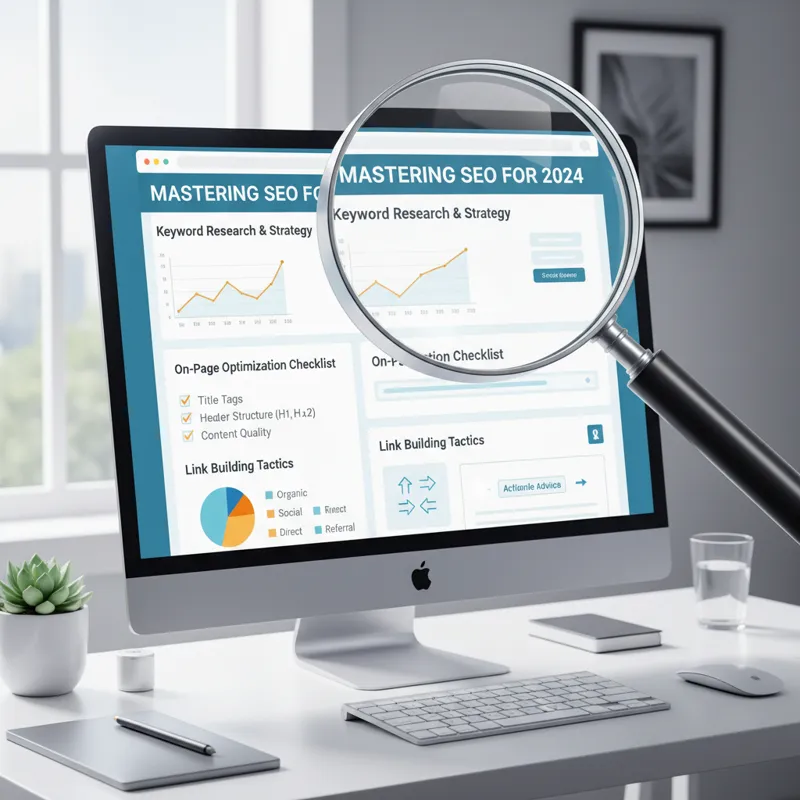
A magnifying glass hovering over a computer screen displaying a well-structured blog post about SEO, with elements like data charts, clear headings, and actionable advice visible. The background is a clean, modern workspace.
In a world saturated with digital content, identifying a truly authoritative link building blog requires a critical eye. It’s not about slick design or frequent posting; it’s about the depth, accuracy, and actionability of the information presented. Here’s what sets the best apart:
Data-Driven Insights and Empirical Evidence
Top-tier link building articles don’t just offer opinions; they present data. This means referencing studies, sharing results from tests, or illustrating concepts with real-world examples (without revealing sensitive client data, of course). Look for content that cites sources, offers benchmarks, and explains the ‘why’ behind the ‘what’ based on observable patterns in search engine behavior.
Actionable Strategies, Not Just Theory
A good link building blog provides practical, step-by-step guidance. It translates complex SEO concepts into clear tasks you can implement. Whether it’s a guide on personalized outreach or a breakdown of how to identify resource link building opportunities, the advice should be specific enough for you to apply directly to your own site or client projects.
Focus on White-Hat, Sustainable Tactics
Given Google’s strict guidelines, any reputable link building blog will exclusively advocate for ethical, white-hat strategies. This includes content marketing, broken link building, unlinked mentions, digital PR, and genuine outreach. Steer clear of any blog promoting tactics like PBNs (Private Blog Networks), mass directory submissions, or buying links – these are high-risk and unsustainable in 2026.
Timeliness and Adaptability
SEO is dynamic. The best link building articles stay current, acknowledging algorithm updates and shifts in industry best practices. They don’t just report on changes; they analyze their implications and adjust strategies accordingly. Look for content that reflects the current year, addressing topics like AI’s role in content creation and its impact on linkable asset development.
Clarity and Readability
Complex topics don’t need complex language. A great link building blog communicates clearly, using plain English and avoiding unnecessary jargon. It’s well-structured with headings, subheadings, bullet points, and short paragraphs, making it easy to digest and scan, especially for mobile users.
Core White-Hat Link Building Strategies for 2026
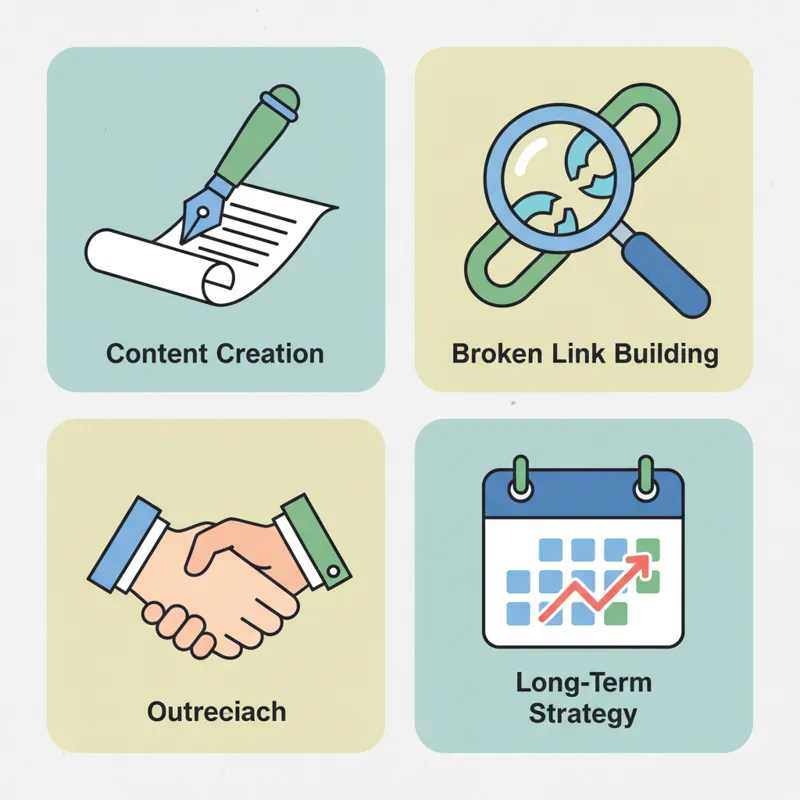
A diverse set of icons representing different white-hat link building techniques: a pen and paper for content creation, a handshake for outreach, a magnifying glass for broken links, and a calendar for long-term strategy, arranged in a visually appealing grid.
Effective link building in 2026 is multifaceted. It involves a strategic blend of creativity, persistence, and genuine value creation. Here are some of the most potent white-hat strategies that a reliable link building blog will endorse:
Creating Linkable Assets
The foundation of many successful campaigns starts with exceptional content. This isn’t just any blog post; it’s content so valuable, authoritative, or unique that others naturally want to reference and link to it. Examples include:
-
- Original Data & Research: Conducting industry surveys, publishing proprietary data, or running experiments that yield unique insights. Think about how a competitive backlinking analysis can reveal content gaps for your own data studies.
- Ultimate Guides: Comprehensive resources that cover a topic in unparalleled depth, often becoming the go-to reference in a niche.
- Tools & Calculators: Interactive resources that solve a specific problem for users.
- Infographics & Visualizations: Presenting complex data in an easily digestible, shareable format.
Once created, actively promote these assets. Share them on social media, reach out to relevant journalists, and include them in your email newsletters. The goal is to get them in front of people who would naturally link to them.
Strategic Guest Posting
Guest posting isn’t dead; the approach has simply matured. In 2026, it’s less about getting a link and more about establishing thought leadership on high-authority, genuinely relevant sites. A good guest post should:
-
- Provide unique value to the host blog’s audience.
- Come from a recognized expert or brand within the niche.
- Feature a natural, contextual link back to a highly relevant page on your site (not just your homepage).
The focus should be on building relationships and expanding your brand’s reach, with the backlink being a valuable byproduct of genuine contribution. Many effective link building outreach service providers specialize in this nuanced approach.
Broken Link Building (Still Relevant)
This strategy involves finding broken links on other websites, creating superior content that addresses the topic of the broken link, and then pitching your content as a replacement. It’s a win-win: you help webmasters fix issues, and you gain a valuable backlink. Tools like Ahrefs or Semrush can quickly identify broken links on competitor sites or relevant industry blogs.
Unlinked Mentions
Often, your brand, product, or a key person in your company is mentioned online without a corresponding link. These “unlinked mentions” are prime opportunities. Monitoring for these mentions (using tools like Google Alerts or brand monitoring software) allows you to reach out to the mentioning site’s editor or author and politely request that they turn the mention into a clickable link. Since they already recognize your authority, the conversion rate is often high.
Digital PR and Media Outreach
This strategy involves creating newsworthy content, stories, or data and pitching them to journalists, bloggers, and media outlets. When a prominent publication picks up your story and links back to your site, it sends a powerful signal of authority to search engines. This requires understanding journalistic ethics and crafting compelling narratives. Forbes provides excellent insights into effective digital PR strategies.
Things People Usually Miss About Link Building Blogs and Their Advice
Even with access to the best link building blog content, there are common oversights that can hinder success. Understanding these nuances is key to truly leveraging the advice you find.
Context is King: No One-Size-Fits-All Strategy
A link building blog might share a highly successful case study, but it’s crucial to remember that what worked for one niche, website, or budget may not work for yours. A small local business won’t benefit from the same strategies as a large e-commerce giant. Always consider your specific industry, target audience, competitive landscape, and resource availability before implementing any tactic. What’s best link building approach for a SaaS company might be ineffective for a healthcare provider.
The Long Game vs. Instant Gratification
Link building is not a quick fix. It’s a marathon, not a sprint. Many people expect immediate results after a few outreach attempts. In reality, building high-quality, authoritative backlinks takes time, consistency, and patience. A reputable link building blog will always emphasize the long-term nature of these efforts, discouraging shortcuts that promise overnight success but lead to penalties.
Attribution and Measurement Beyond Vanity Metrics
It’s easy to get caught up in the number of links acquired. However, true success in link building is measured by its impact on organic traffic, keyword rankings, and ultimately, conversions or revenue. Did those new links lead to improved search visibility for your target keywords? Did your site’s domain authority genuinely increase, translating into better organic performance? A careful professional understands that measuring ROI requires more than just counting backlinks; it involves analyzing the full funnel.
The Interplay with Brand Building
High-quality links often come as a result of a strong brand presence. If your brand is known, trusted, and publishes valuable content, people are more likely to link to you naturally. A link building blog might focus on the tactical side, but remember that investing in overall brand awareness, reputation management, and content quality significantly enhances your link acquisition potential. Think of links as a byproduct of being a valuable resource in your industry.
Avoiding Common Pitfalls and Penalties
While the goal is to build authority, it’s equally important to avoid strategies that could trigger Google penalties. A comprehensive link building blog should provide clear warnings and guidance on what to avoid in 2026.
Recognizing and Steering Clear of Spammy Tactics
Google explicitly warns against schemes designed to manipulate PageRank. These include:
-
- Buying or Selling Links: Any exchange of money, goods, or services for links.
- Excessive Link Exchanges (“Link Schemes”): “Link to me and I’ll link to you” at scale.
- Automated Link Building Programs: Software designed to create large numbers of low-quality links.
- Large-Scale Article Marketing or Guest Posting Campaigns with Keyword-Rich Anchor Text: While guest posting is fine, doing it purely for links with exact-match anchors across many low-quality sites is risky.
- Private Blog Networks (PBNs): Networks of sites created solely to pass link equity.
- Low-Quality Directory or Bookmark Submissions: Submitting to directories that offer little value.
These tactics might offer short-term gains, but the risk of manual penalties or algorithmic demotion is extremely high. Once penalized, recovery can be a long and arduous process, sometimes requiring professional help. Google’s Webmaster Guidelines offer definitive stances on these practices.
Disavowing Harmful Links
If you inherit a site with a questionable backlink profile or accidentally acquire spammy links, you can use Google’s Disavow Tool. This tells Google to ignore specific links pointing to your site. However, use this tool sparingly and only if you genuinely believe specific links are causing harm, as misusing it can also impact legitimate links. A good link building blog will explain when and how to use it responsibly.
Building a Diverse and Natural Backlink Profile
Google expects a natural link profile to be diverse. This means links from various domains, with a mix of anchor text (branded, naked URL, partial match, full sentence, generic), and from different types of sites (blogs, news outlets, directories, forums, educational sites). An overly uniform or manipulated link profile is a red flag. Aim for quality over quantity, and let relevance guide your choices.
Tools and Resources for the Modern Link Builder
To execute sophisticated link building strategies effectively, you’ll need the right tools. A knowledgeable link building blog will frequently reference and explain the utility of these resources:
-
- SEO Suites (Ahrefs, Semrush, Moz): These all-in-one platforms are indispensable. They help with competitive analysis (identifying competitor backlinks), keyword research (for content ideas), broken link checking, site audits, and monitoring your own backlink profile.
- Outreach Tools (BuzzStream, Hunter.io, Pitchbox): These tools streamline the process of finding contact information, managing outreach campaigns, and tracking responses for guest posting or resource page link building.
- Content Research Tools (BuzzSumo, SparkToro): Useful for identifying trending topics, popular content formats, and influencers in your niche, which can inform your linkable asset creation.
- Google Search Console: Essential for monitoring your site’s performance in search, identifying crawl errors, and seeing which sites link to you according to Google.
- Google Alerts / Brand Monitoring Tools: For tracking mentions of your brand or keywords across the web, crucial for finding unlinked mentions.
Integrating Link Building with Your Overall SEO Strategy
Link building isn’t a standalone tactic; it’s a vital component of a holistic SEO strategy. Its effectiveness is amplified when integrated seamlessly with other SEO pillars:
Synergy with Content Strategy
Great content attracts links. Your link building efforts should feed into and be supported by a robust content strategy. Before you even think about outreach, ask: “What unique value does my content offer that others would want to link to?” A link building blog often emphasizes creating content that naturally earns links.
Impact on Technical SEO and On-Page Optimization
Even the most powerful backlinks can’t fully compensate for a technically flawed website or poorly optimized on-page content. Ensure your site is crawlable, mobile-friendly, loads quickly, and your target pages are well-optimized for relevant keywords. Links direct traffic and authority to your pages; good technical and on-page SEO ensures those pages can effectively convert that authority into rankings and user engagement.
Driving Organic Traffic and Authority
Ultimately, the goal of link building is to improve your site’s organic search performance. High-quality links boost your domain authority, which helps your site rank for more competitive keywords. This leads to increased organic traffic, better visibility, and a stronger online presence. When done correctly, link building elevates your entire SEO foundation.
Frequently Asked Questions About Link Building
How long does link building take to show results?
It varies significantly depending on your industry, competition, and the quality of your efforts. Generally, you can expect to see initial improvements in rankings and traffic within 3-6 months, with more significant, sustained results appearing after 6-12 months of consistent, high-quality link building. It’s a long-term investment.
Is guest posting still effective in 2026?
Yes, absolutely, but the approach has changed. Guest posting is effective when done for genuine thought leadership, brand awareness, and to contribute valuable content to a relevant, high-authority site. If your sole aim is to drop a keyword-rich link on a low-quality site, it’s ineffective and risky.
What’s the biggest mistake people make in link building?
The biggest mistake is prioritizing quantity over quality, or chasing shortcuts. Focusing on acquiring a large number of low-quality, irrelevant, or spammy links instead of fewer, highly authoritative, and contextually relevant ones can lead to penalties and wasted effort. Another common error is neglecting relationship building in favor of pure transactional outreach.
How do I measure the success of my link building efforts?
Don’t just count links. Measure success by improvements in key SEO metrics: increased organic traffic to target pages, higher keyword rankings for important terms, improved Domain Authority (DA) or Domain Rating (DR) scores (though these are third-party metrics), and ultimately, better conversion rates or revenue directly attributable to organic search.
Navigating the complex world of SEO and link building in 2026 demands a nuanced, informed approach. By understanding what constitutes a valuable link building blog and applying the strategies discussed here, you can build a robust, authoritative online presence that stands the test of time. Focus on creating value, building genuine relationships, and always prioritizing quality and relevance. The digital landscape will continue to evolve, but the principles of earning trust and authority remain constant.