If you’re looking for effective link building techniques that truly move the needle in 2026, finding quality advanced link building tips can be challenging. The landscape of search engine optimization (SEO) has evolved considerably, shifting from a focus on sheer link volume to an emphasis on relevance, authority, and organic acquisition. Modern link building is less about manipulating algorithms and more about demonstrating genuine value and fostering digital relationships. It’s a strategic undertaking that demands precision, creativity, and a deep understanding of what search engines, and more importantly, real users, truly value.
Gone are the days when a flood of low-quality links could guarantee a top spot. Today, Google’s algorithms are sophisticated, discerning the nuances of link profiles and rewarding sites that earn endorsements naturally. This means for any brand serious about online visibility and sustained growth, mastering advanced link building isn’t optional; it’s fundamental. We’re talking about strategies that go beyond basic guest posting or directory submissions, diving into data-driven insights, sophisticated outreach, and content creation designed to attract links organically.
The Evolution of Link Building in 2026

Link building in 2026 is a far cry from its early days. The primary goal remains the same: acquiring hyperlinks from other websites to your own. However, the ‘how’ has been completely redefined. Google’s continuous algorithmic updates, particularly those focused on E-E-A-T (Experience, Expertise, Authoritativeness, Trustworthiness) and helpful content, have solidified links as a powerful signal of credibility and trust.
The emphasis today is on contextual relevance and editorial endorsement. A link from a highly respected site in your niche acts as a vote of confidence, signaling to search engines that your content is valuable, trustworthy, and deserving of higher rankings. This necessitates a shift towards strategies that prioritize quality over quantity, and ethical practices over shortcuts that risk penalties.
Understanding Advanced Link Building: What It Really Means

A magnifying glass hovering over intricate web connections, highlighting specific, high-quality links amidst a broader network, symbolizing the precision of advanced link building.
When we talk about advanced link building tips, we’re not just discussing more complex versions of basic tactics. We’re referring to a strategic framework that integrates multiple sophisticated approaches. It involves a deeper analysis of your niche, competitors, and target audience, coupled with creative execution and meticulous relationship management.
This level of link building moves beyond reactive tactics to proactive strategy. It’s about engineering situations where high-authority sites want to link to your content because it provides unique value. It leverages data, psychology, and compelling content to build a formidable, natural backlink profile that withstands algorithmic shifts and drives sustainable SEO performance.
Data-Driven Competitive Backlink Analysis
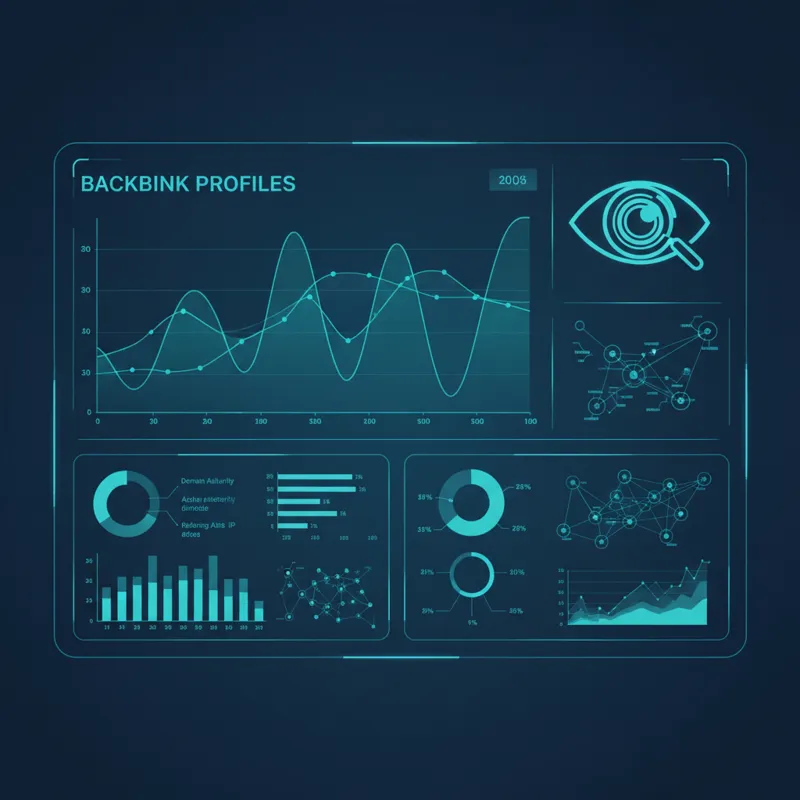
A digital dashboard displaying complex graphs and charts related to backlink profiles, with an analytical eye icon in the corner, representing data-driven competitive analysis.
One of the foundational advanced link building tips involves a deep dive into your competitors’ backlink profiles. This isn’t just about seeing who links to them; it’s about understanding why. Utilizing tools like Ahrefs, Semrush, or Moz allows you to uncover valuable insights.
Identifying Link Gaps and Opportunities
A “link gap” analysis reveals websites that link to multiple competitors but not yet to you. These sites are already demonstrated to be relevant to your niche and open to linking. This offers a prime competitive backlinking opportunity.
Beyond simple gaps, analyze the types of content your competitors are getting links for. Are they publishing original research? Comprehensive guides? Interactive tools? This informs your own content strategy for link attraction.
Uncovering Link Patterns and Authority Sources
Look for patterns. Are there specific types of sites (e.g., industry news, academic institutions, government bodies, prominent blogs) that frequently link to your competitors? These are high-authority sources you should prioritize targeting. Understanding the anchors and surrounding text used in these links can also provide insights into how your content should be framed.
Content-Driven Link Attraction: Original Research and Data
In 2026, content is still king, but only if it’s truly exceptional and offers unique value. One of the most potent advanced link building techniques is creating authoritative, original content that naturally attracts links.
Conducting Proprietary Studies and Surveys
Original research is a link magnet. If you can conduct your own industry surveys, analyze proprietary data, or perform unique case studies, you create an exclusive asset. Other sites will want to cite your findings, generating high-quality links. Think about what questions your audience or industry peers are asking that no one has definitively answered.
Developing Unique Data Visualizations and Tools
Presenting complex data in easily digestible formats, like interactive charts, infographics, or even simple data visualization tools, makes your content highly shareable and citable. Similarly, developing free tools (e.g., calculators, generators, analysis widgets) that solve a specific problem for your audience can earn links organically.
Digital PR and Unlinked Brand Mentions
Digital PR leverages traditional public relations principles for the digital age, focusing on earning media coverage and mentions from high-authority online publications. This extends beyond simple link requests.
Earning Press and Media Coverage
Creating genuinely newsworthy content – whether it’s groundbreaking research, a unique company initiative, or a compelling story – can attract the attention of journalists and major publications. Crafting a compelling press release and strategically pitching it to relevant media outlets can result in high-authority mentions and links.
Converting Unlinked Brand Mentions into Links
Often, authoritative sites will mention your brand, product, or a key person from your company without linking back to your website. These “unlinked brand mentions” are golden opportunities. Tools exist to monitor these mentions across the web. Once identified, a polite, value-driven outreach explaining how a link would benefit their readers can often convert these mentions into powerful backlinks.
Strategic Resource Page Link Building
Many websites maintain “resource pages” or “recommended readings” lists, curating valuable content for their audience. Identifying these pages and strategically pitching your superior content is an effective tactic.
Finding Relevant Resource Pages
Use search queries like "keyword" inurl:resources, "keyword" intitle:links, or "keyword" "useful sites" to locate relevant resource pages within your niche. Evaluate these pages for their authority and the quality of the links they already feature.
Crafting a Compelling Pitch
When reaching out, don’t just ask for a link. Explain precisely why your content would be a valuable addition to their resource page, benefiting their readers. Highlight what makes your content unique or more comprehensive than existing links. For a deeper dive into this specific strategy, check out our guide on resource link building.
Advanced Broken Link Building at Scale
Broken link building is a well-known tactic, but advanced implementation involves scaling it and targeting high-value opportunities.
Identifying High-Authority Broken Links
Beyond simply finding broken links on any site, prioritize finding broken links on high-authority, relevant websites. Use tools to crawl competitors’ expired content or identify external broken links on reputable sites in your niche. When you find a broken link to a piece of content that you have a superior or similar alternative for, that’s a prime target.
Creating Superior Replacement Content
Don’t just offer an equivalent piece of content. Create something genuinely better, more up-to-date, or more comprehensive than the original broken resource. This makes your pitch to the webmaster far more compelling, as you’re offering them a clear upgrade for their visitors.
Elevated Guest Posting for Authority and Relevance
Guest posting has been a staple of link building, but in 2026, its effectiveness hinges on strategic application and a focus on true value.
Targeting High-Authority, Relevant Platforms
Forget generic “write for us” pages on low-quality blogs. Focus exclusively on industry-leading sites, news publications, and highly respected blogs that align perfectly with your niche. The goal isn’t just a link; it’s an association with a credible platform and exposure to a relevant audience.
Providing Unique Insights and Expertise
Your guest post content must be exceptional. Offer unique perspectives, original data, or deep expertise that the host site’s audience will genuinely appreciate. Think of it as demonstrating your E-E-A-T directly on another site, which makes the resulting link far more powerful. For more strategies on refining your content efforts, explore our link building blog for fresh ideas.
Relationship-Based Outreach and Collaboration
At the heart of advanced link building is building genuine relationships. This is less about transactional link requests and more about fostering long-term partnerships.
Personalized, Value-Driven Pitches
Mass emails are rarely effective. Each outreach email should be highly personalized, demonstrating that you’ve genuinely engaged with their content and understand their audience. Focus on the value you can provide, whether it’s suggesting improvements, offering unique content, or proposing a collaboration. Effective link building outreach service relies heavily on this personal touch.
Collaborative Content Creation and Partnerships
Instead of just asking for a link, consider co-creating content with other experts or brands. This could involve joint research, an expert round-up post where you feature their insights, or a webinar series. These collaborative efforts naturally lead to mutual links and amplified reach. Think about a concept like “link partnerships” instead of just “link exchanges.”
Leveraging Outbound Links Strategically
While we often focus on incoming links, the strategic use of outbound links SEO from your own site can indirectly aid link building efforts.
Citing High-Authority Sources
When you link out to relevant, high-authority sources in your content, it signals to search engines that your content is well-researched and adds to the web’s ecosystem of quality information. It also establishes your content as a valuable resource within its niche, making it more appealing for others to link to. Moreover, linking to relevant, useful external content improves user experience and builds trust with your audience.
Building Reciprocal Relationships (Ethically)
While reciprocal linking schemes are frowned upon, genuine citations of other valuable content can sometimes lead to them noticing and potentially linking back to your work. This should never be the primary goal, but rather a natural byproduct of creating excellent, well-referenced content.
What Most People Get Wrong in Advanced Link Building
Many common pitfalls undermine even the most well-intentioned advanced link building campaigns:
-
- Focusing solely on quantity: The belief that more links automatically equate to better rankings is outdated. A few high-authority, relevant links are exponentially more valuable than dozens of low-quality ones.
- Ignoring content quality: You can have the best outreach strategy in the world, but if your content isn’t truly exceptional, people won’t link to it. Content must be the foundation.
- Transactional mindset: Approaching every outreach as a direct request for a link, without offering genuine value or building a relationship, often leads to ignored emails and burned bridges.
- Lack of personalization: Generic, templated emails are easy to spot and ignore. Investing time in personalized outreach dramatically increases success rates.
- Failing to monitor and adapt: The SEO landscape changes. What worked last year might not work today. Continuous monitoring of your backlink profile, competitor activity, and algorithm updates is crucial.
- Overlooking internal linking: While not direct external link building, a robust internal linking structure helps distribute link equity across your site and signals to search engines the most important pages, indirectly making them more attractive for external links.
The Role of E-E-A-T and AI in 2026 Link Building
In 2026, the principles of E-E-A-T are more critical than ever. Google actively seeks to promote content from authoritative, trustworthy sources with genuine experience and expertise. Links from such sources are paramount. This means your link building efforts should prioritize sites that embody E-E-A-T in your niche. For example, a link from a recognized industry expert’s blog carries immense weight.
Artificial intelligence also plays a dual role. AI-powered tools can significantly enhance your ability to identify opportunities, personalize outreach at scale, and analyze vast quantities of data. However, relying on AI to generate low-quality content or generic outreach can backfire, as search engines and human editors are increasingly adept at detecting AI-generated fluff.
Measuring Success Beyond Link Count
Advanced link building is not merely about acquiring links. It’s about achieving business objectives. Therefore, your success metrics should reflect this:
-
- Organic Traffic Growth: The ultimate indicator. Are your target pages receiving more qualified organic traffic?
- Keyword Ranking Improvements: Are you climbing the SERPs for your most important keywords?
- Domain Authority/Rating Increase: While third-party metrics, these can offer a general indication of your site’s growing authority.
- Brand Mentions and Awareness: Are more people talking about your brand?
- Referral Traffic: Are links sending qualified visitors directly to your site?
- Conversion Rates: Is the increased traffic translating into leads, sales, or other desired actions?
FAQ: Advanced Link Building Tips
What is the most effective advanced link building strategy in 2026?
There isn’t a single “most effective” strategy, as the best approach depends on your niche, resources, and content. However, strategies centered around creating truly unique, data-driven content (original research, proprietary tools) that naturally attracts links, combined with targeted digital PR and relationship-based outreach, consistently yield the best results.
How long does it take to see results from advanced link building?
Link building is a long-term strategy. You might start to see initial ranking improvements within a few weeks to a few months, but significant, sustained gains in organic traffic and authority typically take 6-12 months or more. Consistency and patience are key.
Is buying links ever an acceptable advanced link building technique?
No, buying links explicitly for SEO purposes is against Google’s Webmaster Guidelines and carries a significant risk of manual penalties or algorithmic devaluations. Focus on earning links through ethical, value-driven strategies.
How do I identify high-quality link opportunities?
High-quality link opportunities come from websites that are:
-
- Relevant to your niche.
- Possess strong domain authority (check their DR/DA).
- Receive organic traffic themselves.
- Have a clean, natural backlink profile (not spammy).
- Place the link contextually within valuable content.
Tools like Ahrefs, Semrush, and Moz can help evaluate these factors.
Should I focus on internal or external links more?
Both are crucial. External links (backlinks) build your domain authority and drive referral traffic. Internal links help distribute that authority throughout your site, improve user experience, and signal important pages to search engines. A balanced approach is ideal, ensuring strong internal linking supports your external link acquisition efforts.
What are some common mistakes to avoid in advanced link building?
Common mistakes include focusing on quantity over quality, using generic outreach templates, having a transactional mindset, neglecting content quality, and failing to adapt to evolving SEO best practices. Avoid anything that feels manipulative or against ethical SEO guidelines.
Can AI help with advanced link building?
Yes, AI can assist significantly by helping to identify link prospects, analyze competitor backlinks, personalize outreach at scale, and even draft initial content outlines. However, human oversight and a strategic approach are still essential to ensure quality and authenticity. AI should augment, not replace, human intelligence and creativity in link building.
Conclusion
Advanced link building in 2026 is a sophisticated, multi-faceted discipline. It’s about moving beyond basic tactics and embracing a data-driven, content-centric, and relationship-focused approach. The goal isn’t just to accumulate links, but to build a robust, natural backlink profile that earns trust, demonstrates authority, and ultimately drives sustainable organic growth.
By investing in unique content, strategic outreach, and a deep understanding of your audience and competitive landscape, you can master these advanced link building tips. Remember, patience, persistence, and a commitment to ethical practices are your most valuable assets in this ever-evolving digital ecosystem. The rewards—higher rankings, increased organic traffic, and enhanced brand authority—are well worth the effort.