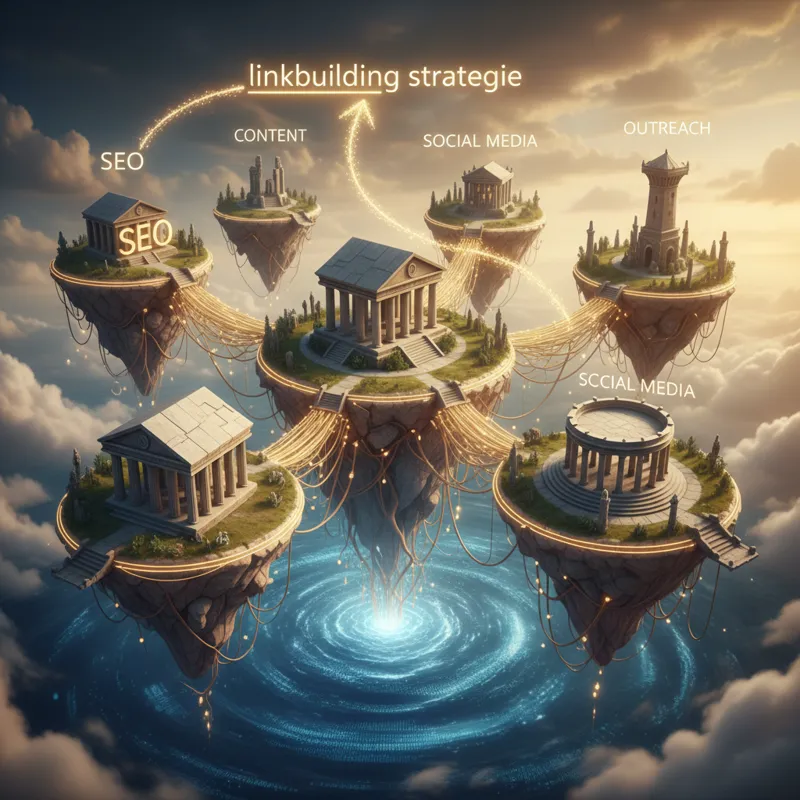
If you’re looking for effective backlink strategies, navigating the evolving landscape of search engine optimization to find a quality linkbuilding strategie can feel like a complex challenge. In 2026, the fundamental truth remains: backlinks are a critical signal of trust and authority to search engines like Google. However, the methods for acquiring those valuable links have matured significantly, demanding a more sophisticated, ethical, and strategic approach than ever before. This isn’t about simply accumulating links; it’s about earning meaningful endorsements that genuinely enhance your digital presence and drive sustainable organic growth.
What is Link Building, Really? The 2026 Perspective
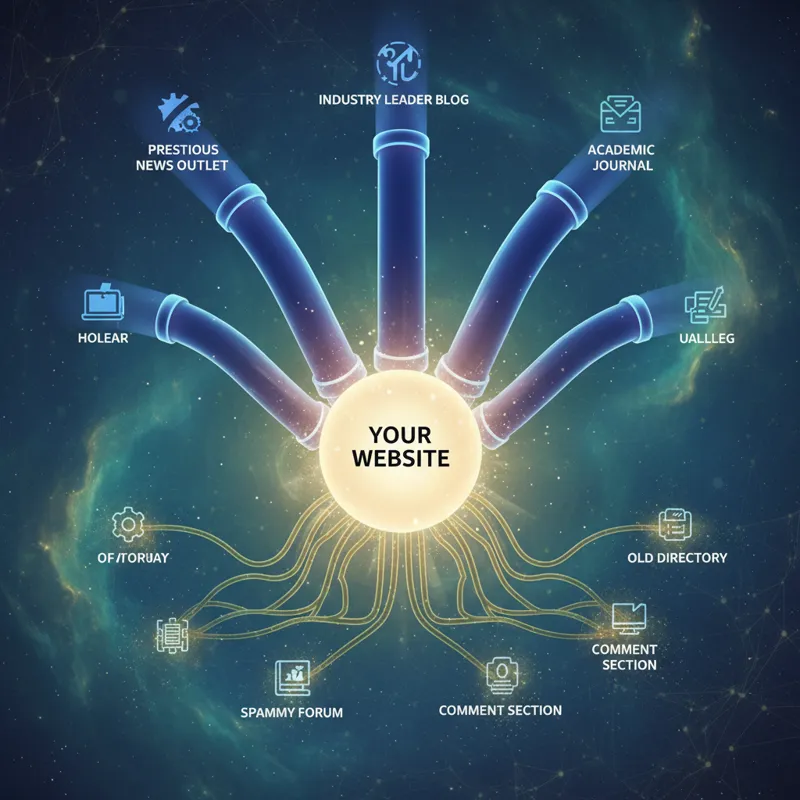
At its core, link building is the process of acquiring hyperlinks from other websites to your own. These hyperlinks, often called backlinks, act as digital votes of confidence. Think of them as recommendations: when a reputable website links to your content, it signals to search engines that your page is a valuable, trustworthy, and authoritative resource.
In 2026, while Google’s algorithms continue to advance with AI and machine learning, the foundational importance of links hasn’t diminished. What has changed, however, is the *nature* of the links that matter. Google is exceptionally adept at discerning genuine, editorially earned links from manipulative, artificially created ones. The focus has shifted entirely from quantity to quality, relevance, and naturalness. A single, highly authoritative, topically relevant backlink can now carry more weight than hundreds of low-quality, spammy links. This understanding is paramount to any effective linkbuilding strategie today.
Why a Robust Linkbuilding Strategie is Non-Negotiable Today
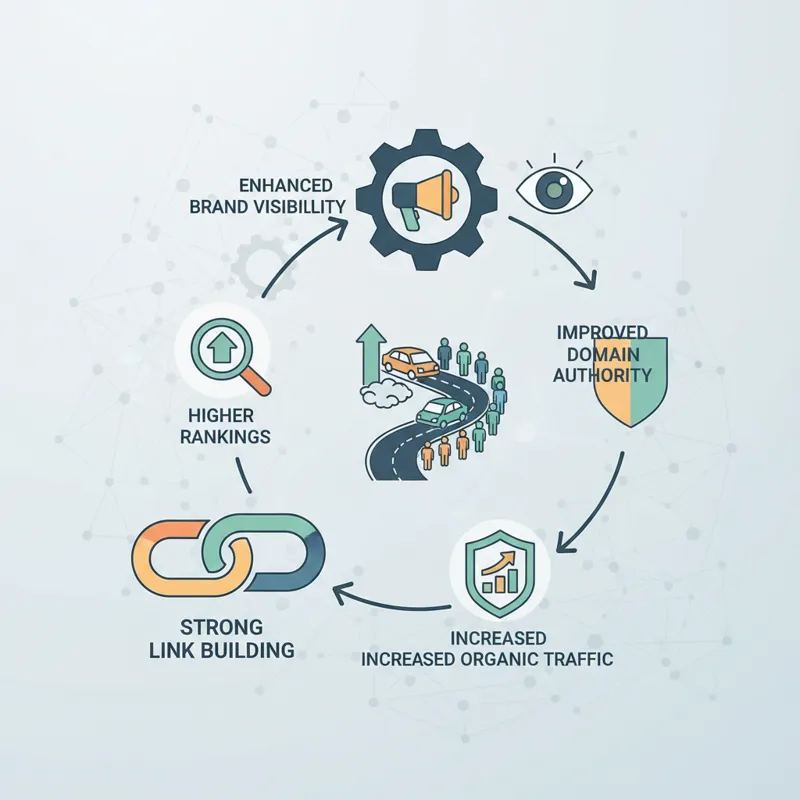
An infographic showing the interconnected benefits of strong link building, perhaps a chain reaction leading to higher rankings, more traffic, and increased brand visibility.
Ignoring link building in 2026 is akin to operating a business without marketing. It’s a foundational element of online visibility and growth, underpinning several key aspects of your digital success:
-
- Authority & Trust: Links from high-authority, trusted domains pass on “link equity” or “PageRank” to your site. This boosts your site’s perceived authority in the eyes of search engines, which is crucial for ranking for competitive keywords.
- Ranking Power: While content and user experience are vital, a strong backlink profile often serves as the differentiator that pushes pages higher in search results, especially for competitive terms. It’s a direct signal of relevance and importance.
- Organic Traffic: Beyond the direct ranking benefits, relevant backlinks can also drive referral traffic from the linking sites. These visitors are often highly qualified, already interested in your niche, and more likely to convert.
- Discoverability: Search engine spiders use links to discover new web pages and re-crawl updated content. A healthy flow of new, relevant links helps ensure your content gets indexed and evaluated promptly.
- Competitive Edge: Your competitors are almost certainly employing a linkbuilding strategie. To keep pace, or ideally, surpass them, you need a proactive and superior approach to link acquisition. Ignoring this means conceding valuable ground.
Understanding Google’s Guidelines: The Foundation of Ethical Link Building

A visual metaphor of building a stable, tall structure on a solid foundation, representing white-hat link building, contrasting with a flimsy, leaning structure for black-hat methods.
Before diving into specific tactics, it’s crucial to understand the rules of the game set by Google. Google’s Search Essentials (formerly Webmaster Guidelines) explicitly warns against “link schemes” designed to manipulate PageRank. Violating these guidelines can lead to severe penalties, including manual actions that significantly reduce your site’s visibility or even remove it from Google’s index.
This means any effective linkbuilding strategie must be rooted in ethical, “white hat” practices. White hat link building focuses on earning links through genuine value, rather than attempting to trick or manipulate search engines. It’s about creating exceptional content and building authentic relationships that naturally attract links. When we talk about white hat link building, we’re talking about tactics that align with Google’s goal of presenting the most relevant and highest-quality results to its users. This sustainable approach protects your website from algorithmic updates and manual penalties, ensuring long-term success.
Core Pillars of an Effective Link Acquisition Strategy in 2026
A successful link acquisition strategy in 2026 is multifaceted, combining compelling content with strategic promotion and relationship building. It’s not a single tactic but a harmonious blend of efforts.
Content-First Approach
The bedrock of any strong linkbuilding strategie is truly exceptional content. People link to content because it’s valuable, informative, entertaining, or authoritative. Without genuinely link-worthy assets, your outreach efforts will fall flat.
-
- Data-Driven Studies & Research: Original research, industry surveys, and data visualizations are incredibly linkable. When you provide unique insights, others naturally want to cite you.
- Ultimate Guides & Pillar Content: Comprehensive resources that cover a topic in exhaustive detail become go-to references in an industry, attracting links from other sites looking to point their readers to the best available information.
- Tools & Interactive Content: Free tools, calculators, quizzes, or interactive maps can generate significant links because they provide direct utility.
- Evergreen Visual Assets: Infographics, data visualizations, and custom illustrations that explain complex topics simply are easily shareable and embeddable, often generating links when used on other sites.
Strategic Outreach
Even the best content won’t get links if no one knows about it. Strategic outreach involves identifying relevant prospects and making a compelling case for why they should link to you.
-
- Prospect Identification: Look for blogs, news sites, industry publications, resource pages, and even competitor backlink profiles for relevant sites that might link to your content.
- Personalized Pitching: Forget generic templates. Tailor each email, highlighting exactly why your content is valuable to their audience and how it enhances their existing content. Focus on genuine value exchange.
- Broken Link Building: Find broken links on reputable websites, then offer your (superior) content as a replacement. This provides immediate value to the webmaster.
- Unlinked Mentions: Use monitoring tools to find instances where your brand or content is mentioned online without a hyperlink. Reach out to politely request a link.
Public Relations & Digital PR
Blurring the lines between traditional PR and SEO, digital PR focuses on earning media coverage and mentions that naturally result in high-quality backlinks.
-
- Expert Commentary: Position yourself or key team members as experts available for commentary on industry trends or news stories. Platforms like HARO (Help A Reporter Out) can be effective for this.
- Newsjacking: Connect your content or expertise to current events or trending topics to gain media attention.
- Press Releases (Strategic): While most press releases offer limited direct link value, those announcing genuinely newsworthy items (product launches, significant research findings) can generate earned media coverage and subsequent links.
Resource & Authority Page Links
Many industries have established resource pages, directories, or lists of authoritative sites. Getting your site included on these can provide powerful, relevant links. This often involves demonstrating genuine expertise and value that warrants inclusion.
Competitor Backlink Analysis
Understanding where your competitors get their links can reveal highly effective avenues for your own linkbuilding strategie. Tools allow you to see their backlink profiles, identifying high-value domains that you can then target with your superior content. This isn’t about copying, but intelligently informing your own strategy.
Advanced Linkbuilding Strategie: Tactics for Differentiation
Beyond the core pillars, advanced tactics often involve deeper relationship building and more innovative content strategies. These are what can truly differentiate your linkbuilding strategie.
Data-Driven Content & Research
Investing in original research, surveys, or proprietary data analysis positions you as an industry leader. When you produce unique data, other publications and researchers will naturally link to you as the source. This is a powerful, evergreen link magnet.
Partnerships & Collaborations
Strategic partnerships with complementary (non-competing) businesses or influencers can unlock significant link opportunities. This might involve:
-
- Co-marketing Initiatives: Joint webinars, whitepapers, or events where each partner links to the other.
- Guest Appearances: Participating in podcasts, YouTube channels, or live streams of industry leaders can earn you a link back to your site or relevant content.
Thought Leadership & Expert Commentary
Cultivating your brand’s or a key individual’s reputation as a thought leader in your field opens doors for media features, interviews, and expert roundups, all of which often include valuable links. Regularly sharing insights on platforms like LinkedIn, contributing to industry forums, or presenting at conferences can bolster this.
Brand Mentions & Unlinked Citations
Many websites mention brands or products without linking to them. Monitoring for these “unlinked mentions” and politely requesting a link can be a low-effort, high-reward tactic. A simple, helpful email pointing out the mention and suggesting a relevant link is often all it takes.
Leveraging Evergreen Content Updates
High-quality, older content can be revitalized to attract new links. Update outdated statistics, add new insights, or enhance visuals. Once updated, re-promote this refreshed content to sites that previously linked to it (or similar content) and to new prospects. This demonstrates a commitment to providing current, accurate information, making it more appealing for others to link to.
Special Considerations: Link Building for E-commerce in 2026
E-commerce businesses face unique challenges and opportunities when it comes to a how to build backlinks for ecommerce strategy. While general principles apply, specific tactics resonate more with product-focused sites.
-
- Product Reviews & Unboxing Videos: Encouraging reputable bloggers, influencers, and review sites to feature your products can lead to powerful, contextual links.
- Brand Collaborations & Influencer Marketing: Partnering with influencers often involves them linking directly to your product pages or collections as part of their sponsored content.
- Gift Guides & Seasonal Content: During holidays or specific seasons, many sites publish gift guides or themed product lists. Pitching your relevant products for inclusion can generate valuable links.
- Supplier/Manufacturer Links: If you resell products, check if manufacturers or suppliers have “where to buy” sections or resource pages where they list authorized retailers.
- Resource Pages for Specific Product Categories: Create comprehensive guides around product uses, comparisons, or problem-solving that involve your products. These can attract links from lifestyle blogs, hobby sites, or informational resources.
- Customer Testimonials & Case Studies: Featuring real customer stories and linking back to their (relevant) businesses can sometimes result in reciprocal links or mentions.
What Most People Get Wrong About Linkbuilding Strategie
Despite its critical importance, many businesses and SEOs still make fundamental errors in their linkbuilding strategie. Recognizing these pitfalls is the first step toward building a truly effective approach:
-
- Focusing Solely on Quantity: The idea that “more links are better” is a dangerous fallacy. Quality, relevance, and authority of the linking domain far outweigh the sheer number of links.
- Ignoring Relevance: A link from a completely unrelated website, even if it has high authority, provides minimal value and can sometimes even look unnatural to Google. Context is king.
- Expecting Immediate Results: Link building is a long-term investment. It takes time to build relationships, create link-worthy content, and see the full impact on rankings and traffic. Patience and persistence are key.
- Neglecting Internal Linking: While external links are crucial, many overlook the power of a strategic internal linking structure. Strong internal links distribute link equity across your site, improve user experience, and help search engines understand your site’s hierarchy.
- Treating It as a One-Time Task: Link building isn’t a project with a start and end date; it’s an ongoing process. The web is dynamic, and your backlink profile needs continuous growth and maintenance.
- Over-Optimizing Anchor Text: Repeatedly using the exact same keyword-rich anchor text can appear manipulative and trigger penalties. Diversify your anchor text naturally, using branded terms, naked URLs, generic phrases, and variations of your target keywords.
- Failing to Promote Content: Creating amazing content is only half the battle. If you don’t actively promote it through outreach, social media, and other channels, it won’t earn the links it deserves.
Measuring Success: Key Metrics for Your Linkbuilding Efforts
To understand the effectiveness of your linkbuilding strategie, you need to track relevant metrics. Relying solely on one metric can be misleading; a holistic view provides the clearest picture:
-
- Referring Domains Growth: This is arguably more important than the total number of backlinks. An increase in unique referring domains indicates a broadening and diversifying backlink profile.
- Domain Authority/Rating (DA/DR): While third-party metrics (Moz DA, Ahrefs DR, Semrush Authority Score) are not Google’s internal metrics, they offer a useful proxy for your website’s overall authority and progress.
- Organic Traffic Increase: Ultimately, the goal of SEO is more organic traffic. Monitor shifts in organic sessions and conversions, especially for pages targeted by your link building.
- Keyword Rankings Improvement: Track the movement of your target keywords in search results. Higher rankings, especially for competitive terms, are a strong indicator of successful link building.
- Brand Mentions: An increase in unlinked and linked brand mentions signifies growing brand awareness and authority, which often correlates with future link acquisition opportunities.
- Link Velocity: A natural, consistent rate of acquiring new, high-quality links is healthier than sudden, unnatural spikes.
Looking Ahead: Link Building in a Post-AI Search World (2026 and Beyond)
As we move further into 2026 and beyond, with AI playing an increasingly significant role in how search engines understand and rank information, the principles of link building will only solidify their focus on genuine authority and E-E-A-T (Experience, Expertise, Authoritativeness, Trustworthiness). Google’s ability to understand context and intent will continue to improve, making low-quality or manipulative links even less effective and more risky.
This means your linkbuilding strategie must be deeply integrated with your overall brand-building and content strategy. The emphasis will remain on creating content that is genuinely useful, unique, and shareable, and then promoting it through authentic relationships. Links will continue to serve as verifiable signals of external validation for your content’s E-E-A-T, demonstrating that real people and reputable organizations trust and reference your information. The future of link building is about building a truly valuable digital asset that naturally earns endorsements from its peers.
Frequently Asked Questions (FAQs) About Linkbuilding Strategie
How long does it take to see results from link building?
The timeframe varies significantly based on your industry, competition, and the quality of your linkbuilding strategie. Generally, you can expect to see initial ranking improvements within 3-6 months, with more significant organic traffic shifts appearing after 6-12 months of consistent, high-quality effort. Link building is a marathon, not a sprint.
Is guest posting still effective in 2026?
Yes, guest posting remains an effective tactic when executed correctly. The key is to focus on quality over quantity: only contribute to highly relevant, reputable sites in your niche. Your guest post must offer genuine value to the host site’s audience and include a natural, relevant link back to your site. Avoid low-quality, spammy guest post farms entirely.
What’s the difference between dofollow and nofollow links?
A “dofollow” link passes “link equity” or “PageRank” from the linking site to yours, contributing to your SEO authority. A “nofollow” link, typically indicated with rel="nofollow", instructs search engines not to pass this equity, essentially acting as a hint not to crawl or rank the linked page based on that link. While dofollow links are generally preferred for SEO, nofollow links still offer brand exposure and referral traffic, and a natural backlink profile includes a mix of both. In 2026, Google often treats nofollow as a hint, meaning it may still consider them for ranking purposes if deemed relevant.
Can I buy backlinks?
Google strongly advises against buying or selling links that pass PageRank. This is a black-hat tactic and a direct violation of their guidelines. While it might provide short-term gains, it almost always leads to severe penalties once detected, which can be devastating for your site’s long-term performance. Focus on earning links through value and relationships.
How many backlinks do I need to rank?
There isn’t a magic number. The “number” of backlinks needed is entirely dependent on your industry, target keywords, and the strength of your competitors’ backlink profiles. Instead of aiming for a specific quantity, focus on acquiring high-quality, relevant links from authoritative domains. A few powerful links often outperform many low-quality ones.
Building Your Digital Reputation One Link at a Time
In 2026, a well-executed linkbuilding strategie is more than just an SEO tactic; it’s a fundamental aspect of building your brand’s digital reputation. It requires patience, creativity, and a steadfast commitment to providing genuine value. By focusing on creating exceptional content, fostering authentic relationships, and adhering strictly to ethical practices, you’ll not only navigate the complexities of modern SEO but also establish a robust, sustainable foundation for long-term organic growth. Remember, every high-quality link is an endorsement, building your website’s authority and trust, one strategic connection at a time.